
OEM/ODM Sourcing
Breast Milk Storage Containers: An OEM Sourcing Checklist
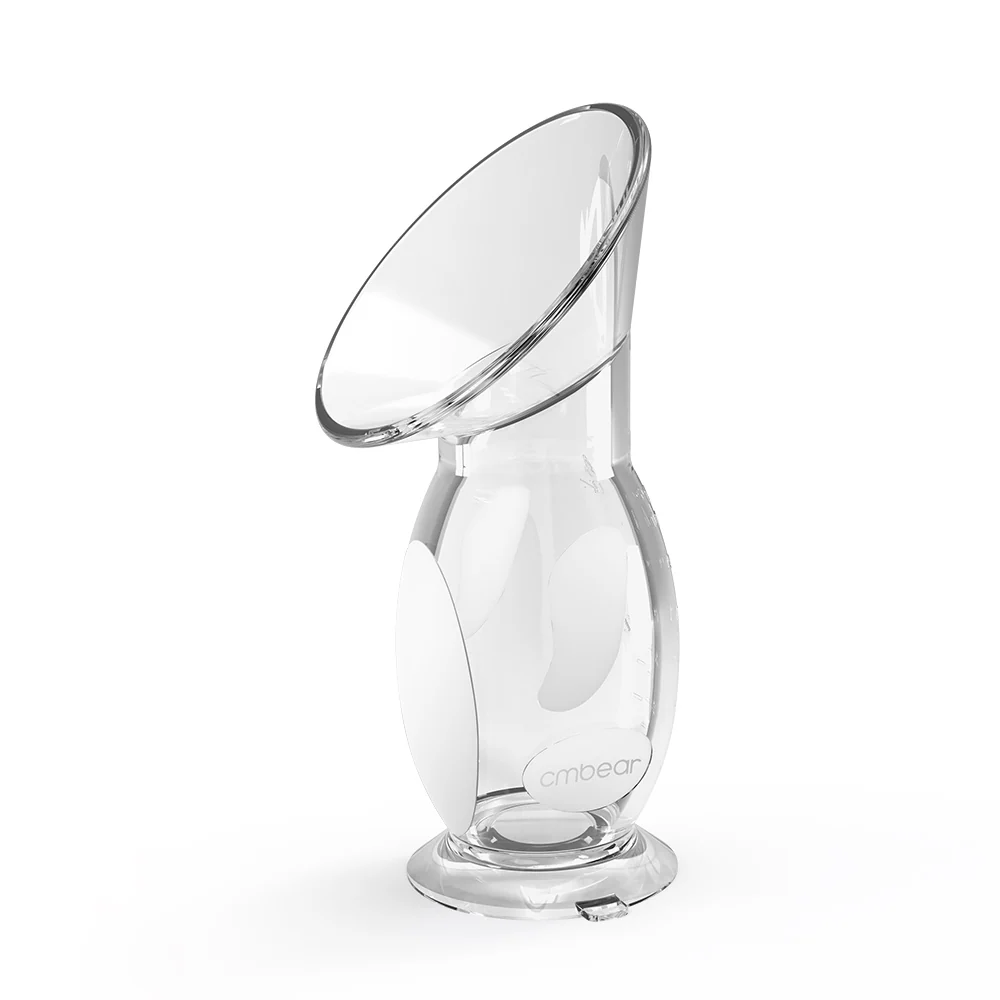
Breast milk storage containers deserve their own purchasing brief, even when they are sold alongside a pump or feeding bottle. For brands, importers and distributors, the useful questions concern the complete container: its intended use, matching closure, care instructions, supporting documents and the version the factory will supply. This checklist helps turn those questions into a sample review and quotation request.
Wancheng Baby is a breast pump manufacturer supporting OEM/ODM and private-label maternal and infant-care product discussions. A coordinated range can include collection, storage and feeding products, but those roles should not be confused. The photograph here shows our J02 milk collector, not a sealed storage container. Confirm current storage-product options with our team; the checks below are buyer recommendations, not reported tests, medical advice or a promise that every option is available.
Define what your breast milk storage containers need to do
Start with the intended storage use rather than the shape of the bottle. CDC's breast milk storage guidance recommends purpose-made storage bags or clean, food-grade glass or plastic containers with tight-fitting lids. A collection cup is not automatically a storage container, and an ordinary disposable bag is not a substitute for a bag intended for breast milk.
Separate the collection, storage and feeding stages in the product brief. Our breast milk collector guide explains how cups and shells fit into that comparison. If the product will move between stages, identify the closure or adapter required for each one. Have the supplier confirm the exact combination instead of describing a whole kit as universally compatible.
Write down the destination market, intended user, pack contents and whether refrigeration, freezing or transport forms part of the proposed use. These are requirements to investigate, not claims to print before review. A household storage range and a kit intended for a specific care setting may need different assessments.
Compare storage bottles, containers and bags by the actual routine
Reusable breast milk storage bottles may suit a range built around a matching bottle body and storage cap. Compare the complete assembly, the effort required to take it apart and clean it, and the space it occupies. Check whether any later feeding configuration is actually supported; a similar neck shape does not prove that another brand's teat or pump connector fits.
Milk storage bags are a separate format, not simply flexible bottles. For a bag-based brief, ask about its intended use, closure, filling instructions and transfer method. Compare how users will support it while filling and label it afterward. Confirm whether the proposed item is single-use or reusable from its instructions; do not infer that from its appearance.
For coordinated baby bottle OEM programs, decide which parts are shared and which remain separate. A storage-only container does not need to be promoted as a feeding bottle. Compare usability, care workload, closure handling and the documented use conditions before choosing a format. There is no single best format for every customer or channel.
Review the container, lid and connection as one sample
Request the exact bottle body, cap, seal and any adapter proposed for the order. Give the sample set a version reference and photograph each part. Note how the lid seats, whether parts are easy to distinguish and where cleaning access needs clarification. Do not substitute an attractive product photograph for a complete sample assembly.
If the range accompanies electric breast pumps, record the specific model and connection involved. Ask for written compatibility information and inspect the proposed combination. Keep storage closure review separate from pump operation: a connector that attaches to the pump is not necessarily the closure intended for transport or cold storage.
Agree a sample-check plan with the supplier and appropriate technical reviewers. List the proposed fill level, orientation, temperature conditions and inspection method where relevant. Record results and unresolved issues against the sample version. A simple buyer check can identify questions, but it should not be presented as a certified leak, durability or safety test.
Ask for material documents that match the intended use
For U.S. sourcing, FDA's food-contact material guidance explains that regulatory status depends on the substances comprising the article and the applicable conditions of use. Ask which documents cover the proposed body, closure and other relevant components. A generic material description does not establish suitability for every temperature, use or destination market.
Give the reviewer the exact model, material identification, proposed use conditions and available supplier documentation. Ask whether a report covers the current configuration and what its limitations are. Statements such as food-grade, freezer-safe or suitable for a particular cleaning method should have a clear basis before they appear on the package. This article is not a market-approval determination.
Make labeling and cleaning practical for the caregiver
Care instructions are part of the product decision. CDC's infant feeding-item cleaning guidance distinguishes cleaning, sanitizing and thorough drying before storage, and directs users to check manufacturer-compatible methods. Ask for instructions that identify the parts to separate and the permitted methods for the selected container, closure and accessories.
Check whether the container provides a usable place for the expression date and any caregiver-required identification. Review the proposed fill guidance, too: freezing requires space for expansion according to CDC. Do not print a storage duration based only on a bottle's material; milk-handling guidance and the container's permitted use are different information.
Our baby bottle buying guide gives further context for comparing parts and feeding-item care. Before approving packaging, check that the instructions, product illustrations and supplied parts agree. Ask a qualified reviewer to resolve unclear translations or incompatible cleaning claims. Simple, consistent instructions help the buyer explain the product without adding unsupported promises.
Use a storage-product sample review sheet
Copy the fields below into a shared review sheet. Add an owner, evidence file, revision, review date and status for each item. Keep open questions visible rather than treating a delivered sample as an approved product. The sheet should make it possible for purchasing, design and quality reviewers to identify the same configuration.
For a combined pump-and-storage kit, use our breast pump sample evaluation checklist for the pump-specific work and keep the container checks alongside it. A change to the cap, adapter or included quantity should reopen the affected review. The checklist is a proposed workflow; it does not establish that a particular sample has passed.
- Intended use: target market, storage stage, user and proposed conditions.
- Assembly record: body, lid, seal, adapter and sample-version photographs.
- Compatibility: named pump or feeding components and written confirmation.
- Use instructions: filling, closure, care, labeling and replacement guidance.
- Evidence: applicable material documents, configuration scope and reviewer questions.
- Release status: agreed checks, results, unresolved issues and responsible approvals.
Keep private-label packaging aligned with the approved product
Private label milk storage products need an agreed kit list as well as a logo. Confirm the number of containers and closures, accessory inclusions, language set, artwork and carton direction. Define commercial terms, sample availability and timing against the requested configuration rather than assuming they match another item in the range.
Use the private-label packaging approval checklist to organize artwork responsibility and revision control. If the container or cap changes after design approval, revisit the illustrations, contents and instructions. Keep product verification and artwork approval as distinct decisions so a completed design does not hide an unresolved product question.
Common questions about milk-storage OEM sourcing
Can a milk collector double as a storage container? Only use a product for the purposes supported by its exact instructions. Confirm the closure and permitted use; do not assume an open collector or shell is intended for sealed storage because it holds milk during collection.
Is a material report enough to approve a finished container? It is part of the review, not a substitute for checking the complete configuration, intended use and market requirements. Have an appropriate reviewer assess what the document covers and what further evidence is needed.
What should we send for a useful quotation? Include your market, preferred format, pack contents, planned quantity, storage-use requirements and branding direction. Add the pump or feeding model if compatibility matters, together with the documents and sample questions you want resolved.
Bring a clear storage-product brief to the factory
Choosing breast milk storage containers for a private-label range starts with a defined use and a complete assembly. Compare practical handling, verify relevant documents and keep sample findings attached to the correct version. That gives the buyer a clearer basis for deciding what to approve and what still needs an answer.
Request a milk-storage OEM quotation from Wancheng Baby with your target market, product direction, planned quantity and checklist. Our team can discuss current product options and the information needed for a focused proposal. For individual feeding or health concerns, use qualified healthcare guidance rather than a procurement article.
Sources and references
The following official resources provide context for the market-specific points above. Buyers should confirm requirements for the final product configuration and destination market.