
Consumer Guide
Breast Milk Collector Guide: Choosing a Collection Cup or Shell
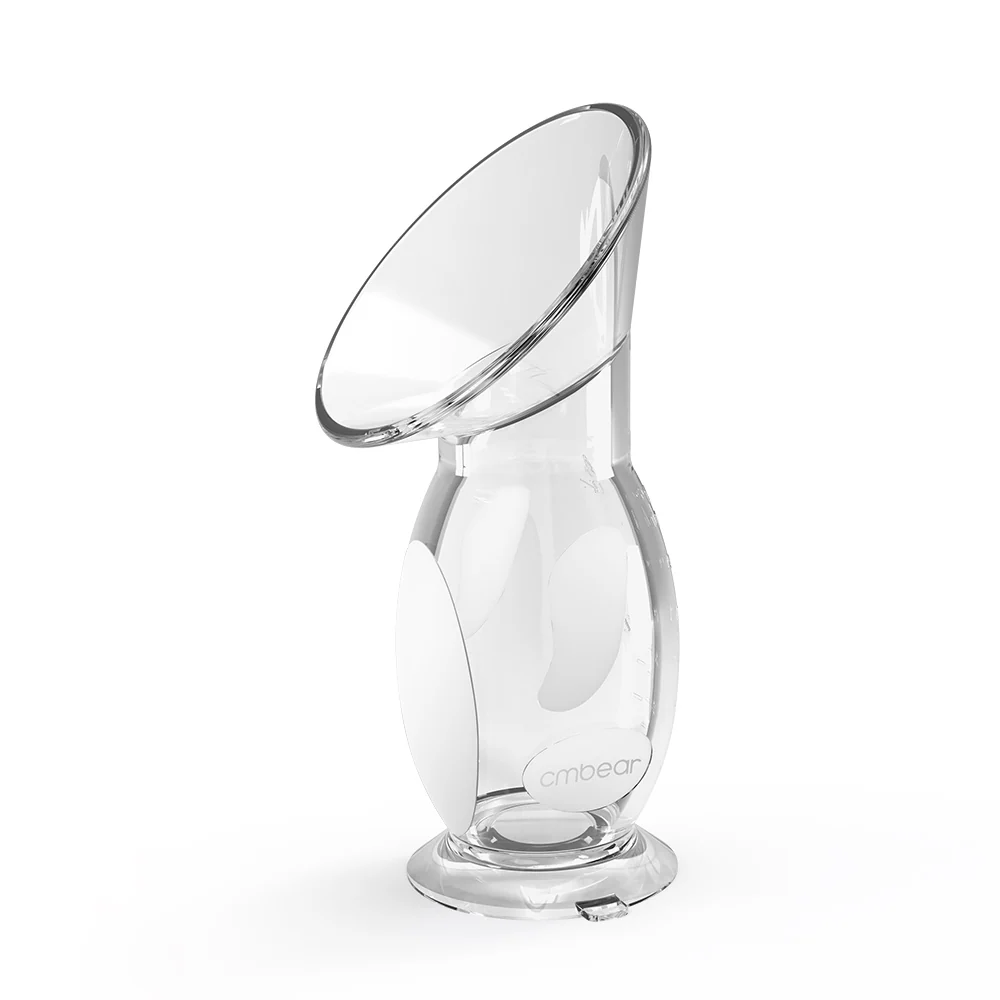
Prepared by Wancheng Baby, a breastfeeding and infant-care product manufacturer. This is a product-comparison guide and not medical or lactation advice.
A breast milk collector, collection cup or shell should be compared by its product format and intended use, not by a product name alone. Some products use a soft cup form while others use a shell-style structure. Start by checking the exact model, the parts shown on the product page, the product instructions and the collection or accessory role the manufacturer describes.
Product comparison and milk-handling guidance are different tasks. A product page can help identify the current item and its visible components, while current public-health guidance and the product instructions should be used for handling, storage and cleaning questions.
Explore collection, storage and feeding options
Choose the product route that matches the task, or prepare a sourcing brief for your brand.
Compare the collection format and product parts
Use the product gallery and model information to identify whether the item is a collection cup, a shell or another accessory format. Check the visible opening, collection area, lid or accessory pieces that are shown for the exact model. Do not infer a feature or included component from a product in a different series.
A written comparison can list the model, product image, visible parts, current instructions and the questions that need confirmation. This is useful for a parent comparing products and for a buyer building a coordinated accessory range.
- Exact collection cup or shell model
- Visible parts and any included accessory information
- Current instructions for the selected product configuration
Use reliable guidance for milk handling and equipment care
The chosen collection product does not replace current guidance for handling expressed breast milk. Use official public-health resources for storage and preparation information, and follow the selected product's instructions for cleaning and care. This is especially important when product parts, materials or care requirements differ by model.
If a question relates to breastfeeding, pumping comfort, milk supply or an infant's feeding needs, seek personalized advice from a qualified healthcare professional.
Connect collection products to a complete feeding routine
A collection product may be compared alongside breast pumps, bottles and bottle-care appliances, but each product has a different role. Keep product pages and instructions separate when deciding what is needed for a particular routine.
For private-label or distributor programs, share the preferred collector model, package direction, intended market and required documentation so the supplier can confirm the current configuration.
Move from collection to a suitable storage container
Treat collection and storage as separate stages. An open cup or shell can have a collection role without being designed for sealed storage. Check the exact instructions for permitted use, removal and transfer, and whether the selected model includes a suitable closure. Do not infer freezer suitability or transport protection from the product name or the presence of a lid.
For storage, CDC recommends purpose-made breast milk storage bags or clean, food-grade glass or plastic containers with tight-fitting lids. Label milk with its expression date and follow current guidance for the actual handling situation. Leave space for expansion when freezing. Families with individual feeding needs should follow their care team's instructions; this guide does not set a personal storage schedule.
Plan the transfer before starting: identify the collection parts, the intended storage container and the instructions for each. Confirm any adapter rather than assuming that a pump, bottle and collector from similar ranges connect. Keep clean equipment ready so the next stage does not depend on finding an uncertain part after collection.
Review care instructions before building a collection kit
A practical kit needs manageable care instructions, not just matching colours. Identify the milk-contact parts, how they come apart and which cleaning methods the manufacturer permits. Use the linked CDC hygiene resources for general context. Do not put an entire collector, seal or accessory through a method that is approved only for another component.
For brand and distributor buyers, use the comparison checklist below to define the intended collection-and-storage workflow. Record the model, supplied parts, compatibility questions and the documents you need. The linked storage-container OEM article develops that procurement review; it does not turn a collection product into a certified storage product or replace individual feeding advice.
A practical comparison checklist for collection and storage
Compare the actual model and instructions before choosing a family product or approving an OEM accessory kit.
| Check | What to confirm |
|---|---|
| Product role | Collection, sealed storage or feeding: confirm the permitted use, not just the product name. |
| Closure and parts | Identify the exact cup or shell, lid, seal and included accessories for the selected configuration. |
| Transfer and compatibility | Confirm the destination container and any named adapter; similar shapes do not prove a fit. |
| Care and use conditions | Check the permitted cleaning methods and any storage-use limits for each component. |
| Buyer approval | Keep the sample version, relevant documents, open questions and approval scope together. |
Sources and references
These official resources provide supporting context. Use the selected product's instructions for the exact model and seek professional guidance for personal health or feeding questions.