
Consumer Guide
Baby Bottles: A Practical Guide to Choosing and Caring for Feeding Items
Prepared by Wancheng Baby, a breastfeeding and infant-care product manufacturer. Product details, package contents and availability should be confirmed for the exact bottle model and market.
Baby bottles are made up of more than one visible container. The bottle, nipple, ring, cap, valve or other included parts should be considered as one feeding-item system. When choosing a product, start by identifying the exact model, the parts included in the package, the product instructions and the feeding routine it is intended to support.
A product guide can help organize the comparison, but the selected bottle's manufacturer instructions remain the source for its specific assembly, use and care. For questions about a baby's feeding, formula preparation or individual health needs, use current guidance from an appropriate healthcare professional and official public-health resources.
Parts of a Baby Bottle: Bottle Body, Nipple, Ring, Cap and Valve
The main parts of a baby bottle can include the bottle body, nipple or teat, retaining ring or collar, and protective cap. Some designs also use a valve, membrane or another model-specific component. These parts work as one system, so identify every item shown in the exact package and instructions before assembly, use or care.
Do not assume that a nipple, ring, cap, valve or replacement component from one model applies to another model. The exact package contents, part names and compatibility information should be confirmed from the product record or manufacturer instructions.
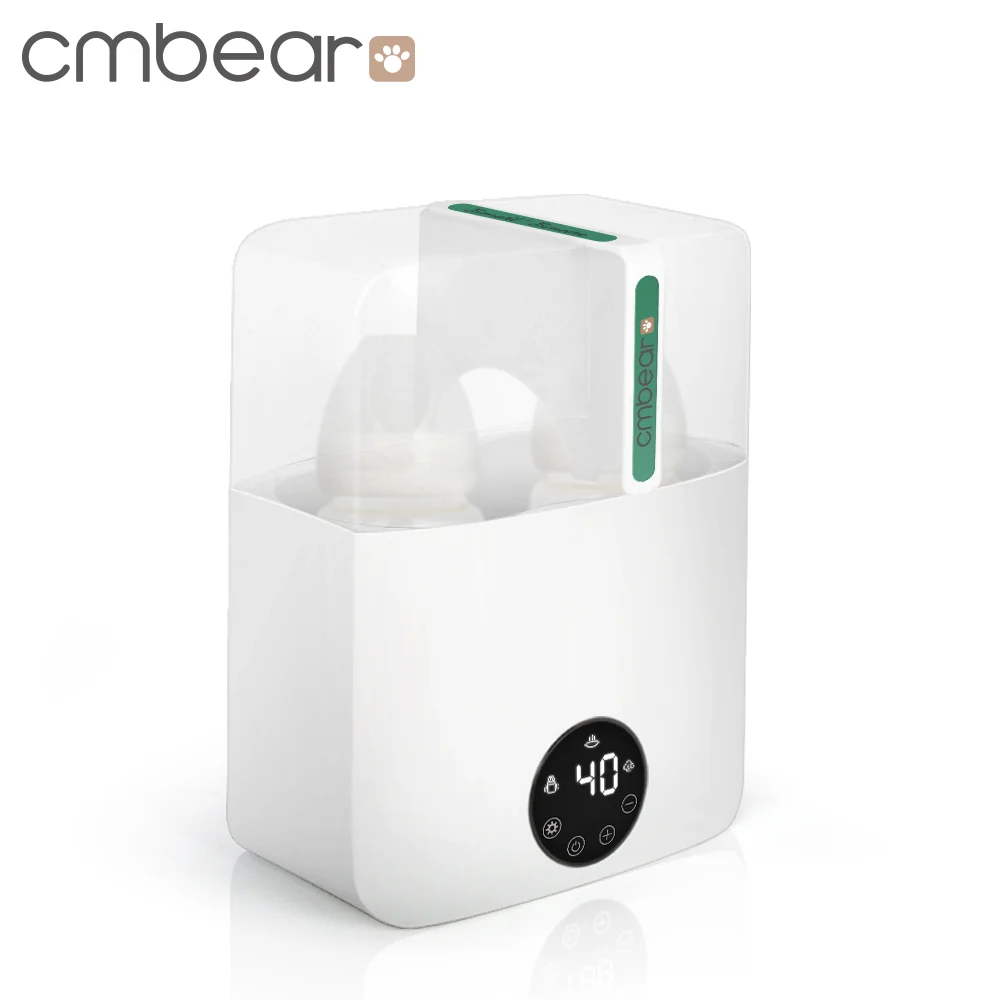
For product-line planning, buyers can also compare how bottles sit alongside related feeding items such as warmers, sterilizers and drying products. Those products serve different functions and should be evaluated with their own instructions and model information.
- Bottle body: the container identified for the exact model
- Nipple or teat: the feeding part specified for that bottle system
- Ring or collar: the part that secures the nipple when the instructions require it
- Protective cap: the cover supplied with the selected model, if listed
- Valve or membrane: include it only when the exact package and instructions show one
Use current cleaning and care guidance
Infant feeding items need to be kept clean and stored according to current public-health guidance and the exact product instructions. CDC guidance covers bottles and associated parts such as nipples, rings, caps, valves and membranes. The guide also distinguishes regular cleaning from circumstances where additional sanitizing may be appropriate.
A website comparison should not replace the manual for the selected product. If a bottle or part is damaged, missing or not clearly identified, seek support from the manufacturer or supplier rather than improvising a configuration.
Clean, sanitize and dry the parts as separate tasks
CDC recommends cleaning bottles after every feeding. Separate the parts, rinse them and wash them using a method permitted by the product instructions. For hand washing, use a clean basin and brush reserved for infant feeding items rather than washing the parts directly in the sink.
Sanitizing is an additional step after cleaning, not a replacement for it. CDC recommends daily sanitizing for babies younger than two months, born prematurely or with a weakened immune system. Use a method allowed by the manufacturer. CDC also notes that a dishwasher using hot water and a heated drying cycle or sanitizing setting can remove the need for a separate sanitizing step.
Let parts air-dry completely before storage; do not rub them dry with a dish towel. Assemble clean, dry parts with clean hands and keep them in a protected place. The CDC source below provides the full cleaning, sanitizing and storage instructions.
Ask for the exact baby bottle program
For buyers, distributors and private-label teams, an effective request identifies the bottle model, intended market, package, branding direction, instructions, accessory set and documentation needed for review. This creates a clearer response than asking for a generic baby bottle quotation without a product brief.
Wancheng Baby can discuss current infant feeding and bottle-care programs. Availability, product configuration and documentation are confirmed against the requested model and destination market.
Baby Bottle Comparison Checklist
Compare the complete bottle system rather than choosing by appearance or an age label alone. Use these questions with the exact product instructions and package list.
| Decision point | What to compare | What to confirm before buying |
|---|---|---|
| Parts and compatibility | Bottle body, nipple, ring, cap and any valve as one named model system. | Which replacement parts are approved for that exact model; similar-looking threads do not establish compatibility. |
| Size and handling | Listed capacity, bottle dimensions, visible markings and the shape you will handle and store. | Check those details for the selected version; seek feeding guidance for the baby's individual needs rather than treating capacity as a feeding recommendation. |
| Assembly and cleaning access | How many parts must be removed, how they are identified and whether the instructions explain each cleaning step. | The permitted cleaning method for every part, including valves and nipples, not just the bottle body. |
| Replacement parts | Part identifiers, availability and the manufacturer's condition checks or replacement guidance. | How to obtain the correct spare parts before relying on that bottle system for the routine. |
| Warmer or sterilizer fit | Bottle dimensions, appliance loading instructions and each part's permitted care methods. | Physical fit and manufacturer-approved use with the appliance; fitting inside does not by itself establish compatibility. |
For a private-label range, keep the selected bottle and accessory versions together in the purchasing brief. A change to one component needs a compatibility review, not an assumption that the whole set remains unchanged.
Baby Bottle Selection and Care Questions
Can I mix bottle parts from different models?
Use only combinations that the manufacturer confirms for the exact bottle system. A nipple, ring or valve that looks similar or screws into place is not enough evidence of compatibility. Check the part identifier and instructions before replacing it.
Can every baby bottle go in a dishwasher or sterilizer?
No universal rule applies to every bottle and part. Check the product instructions for the permitted method and the appliance instructions for loading and use. Confirm the nipple, valve and other small components separately from the bottle body.
When should I replace a bottle or one of its parts?
Follow the manufacturer's inspection and replacement instructions. If you find a crack, tear, damaged seal or another concern, stop using the affected item and ask the supplier about the correct replacement. Do not rely on a generic replacement interval for every material and model.
Sources and references
These official resources provide supporting context. Use the selected product's instructions for the exact model and seek professional guidance for personal health or feeding questions.