
Milk Collectors
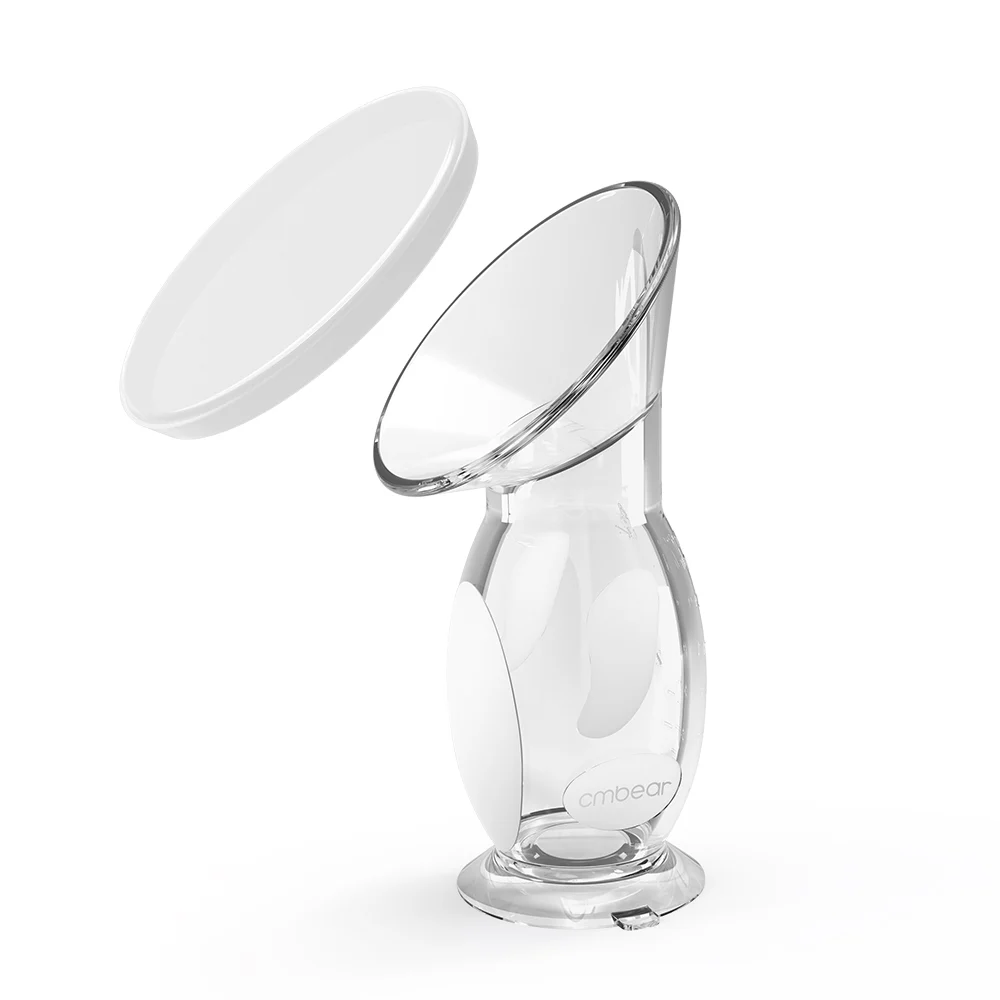
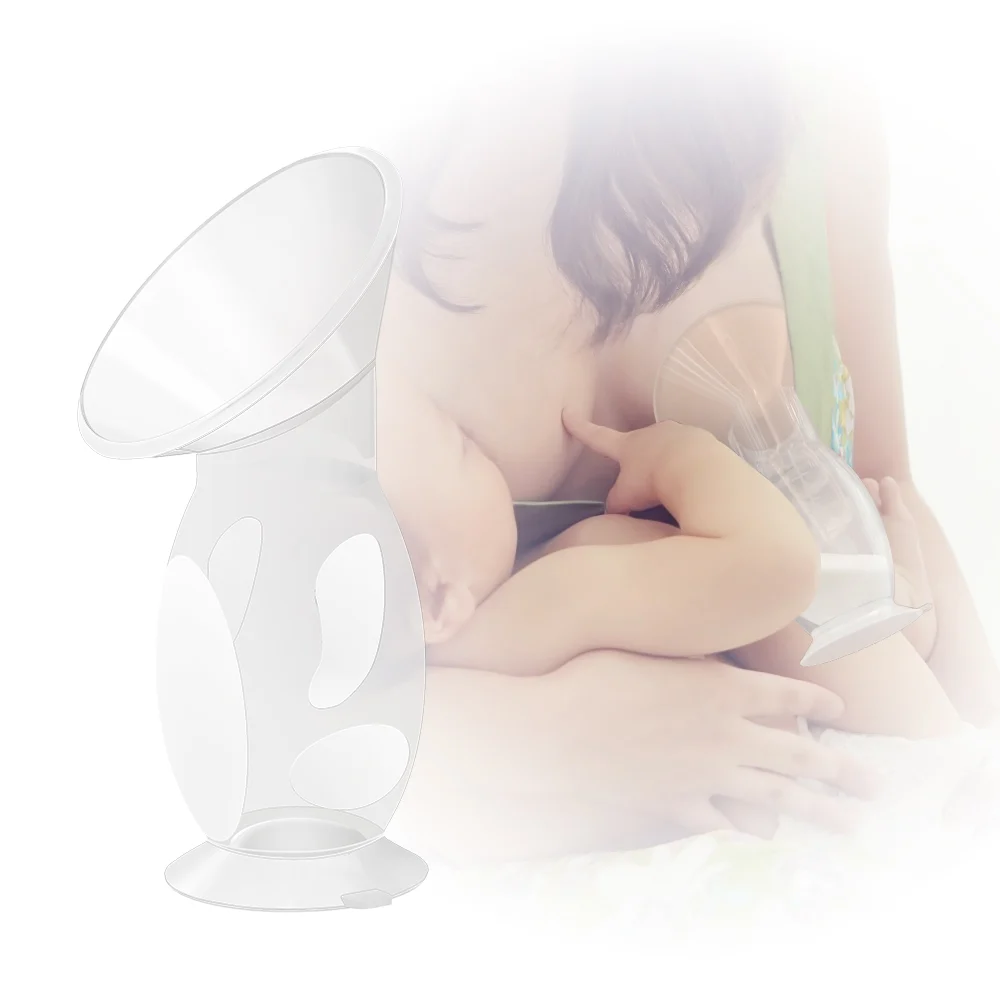
Silicone Breast Milk Collector J02
Soft silicone manual collector cup for gentle milk collection.
View productProduct Category
Silicone cups, shells, and breast milk collection products. Built for OEM/ODM buyers planning milk-saving accessories, silicone maternal care bundles, and breastfeeding support sets.
OEM/ODM sourcing
Review published models, then share your market, buyer channel, product target, packaging needs, and documentation requirements. This helps the sales team prepare a relevant sourcing response instead of a generic model list.
Milk Collectors
Soft silicone manual collector cup for gentle milk collection.
View product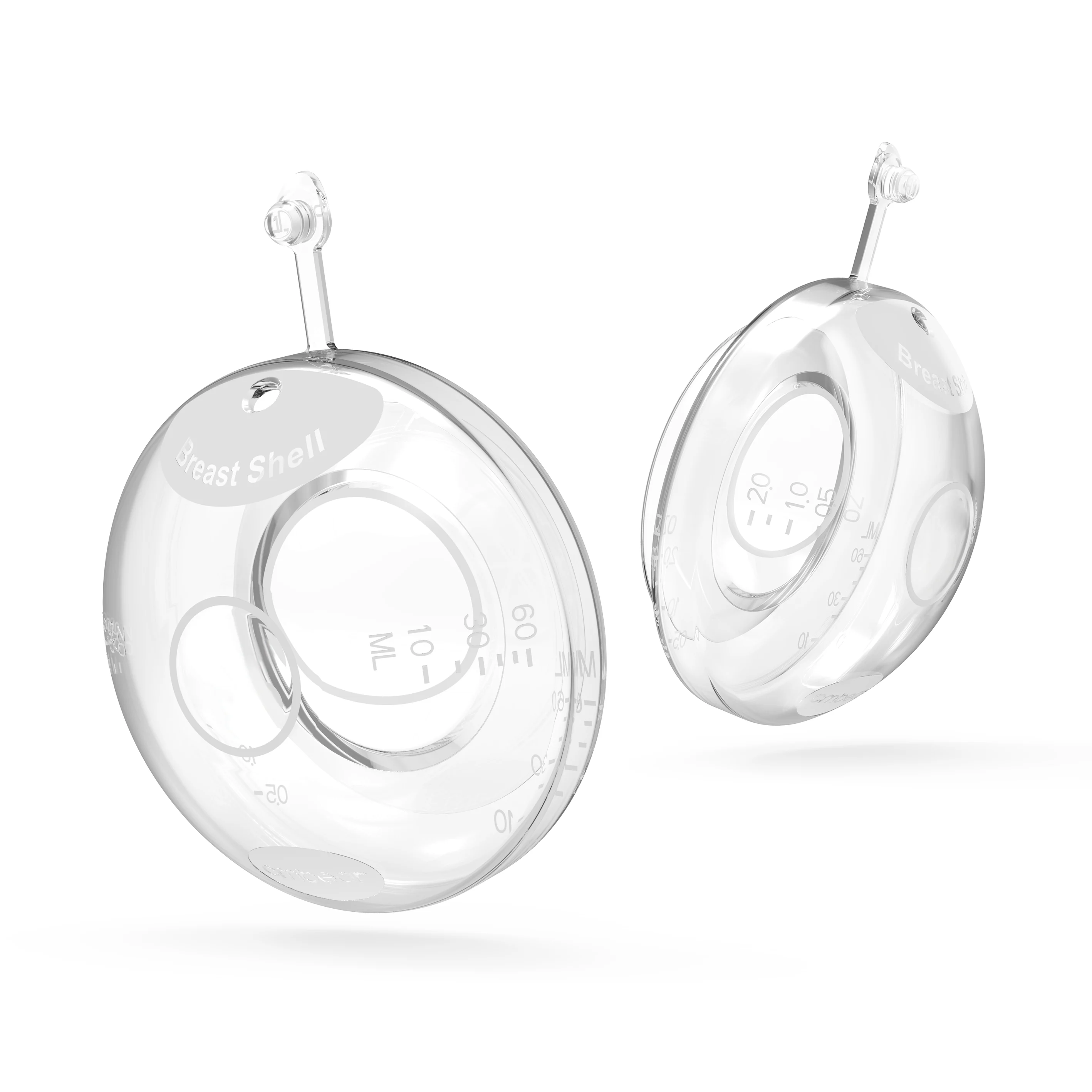
Milk Collectors
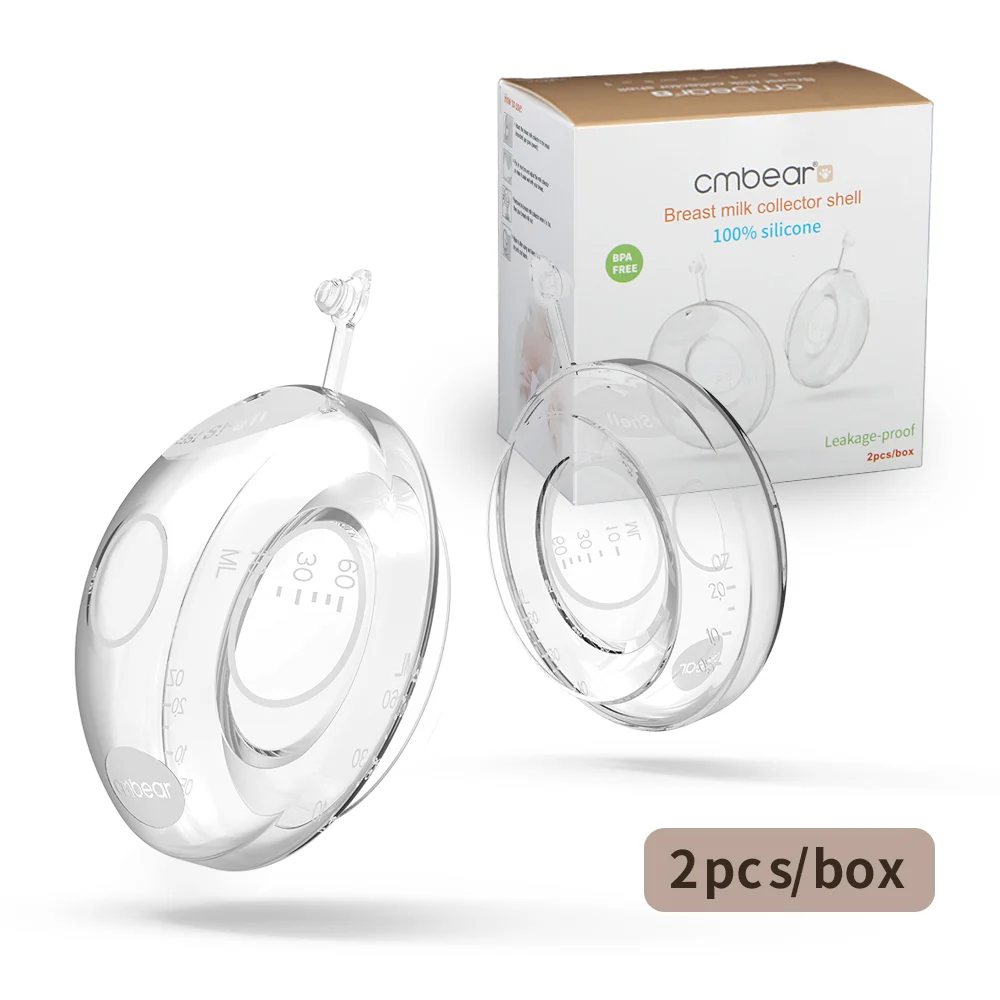
Shell-style collector for milk saving and comfort accessories.
View product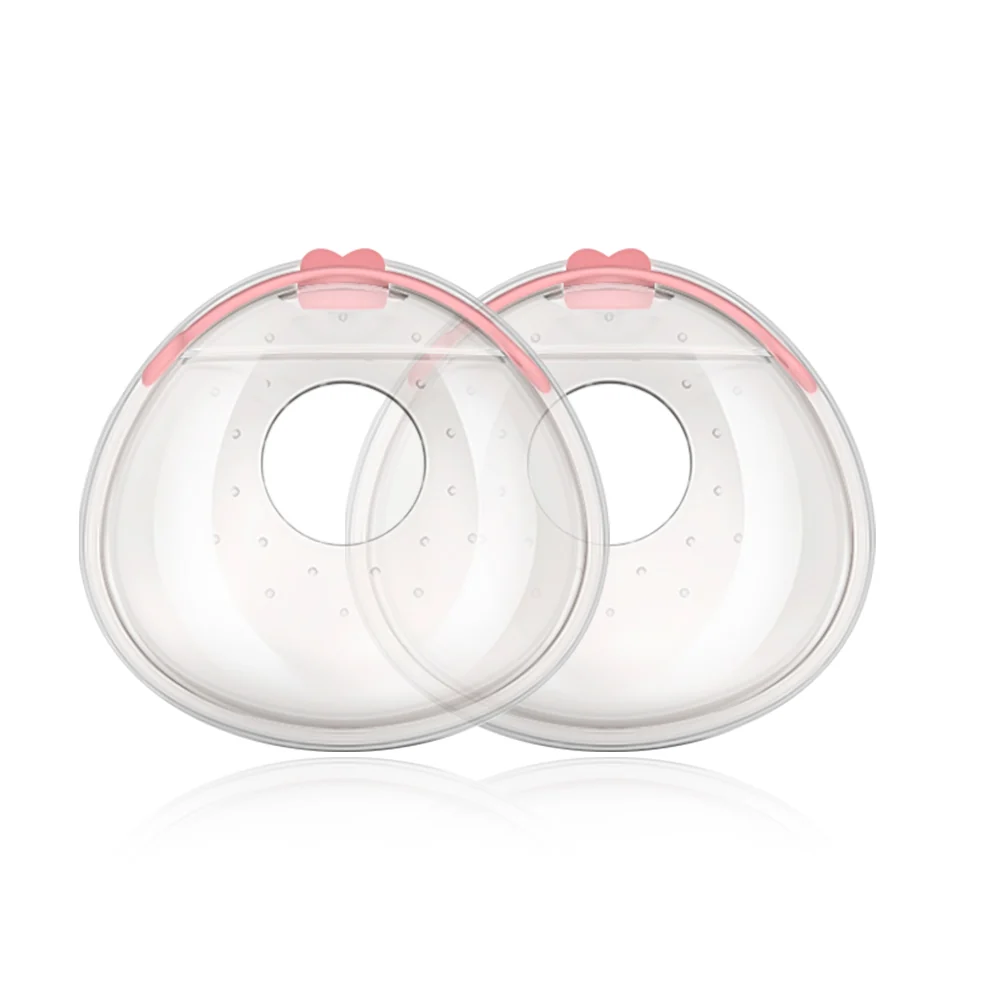
Milk Collectors
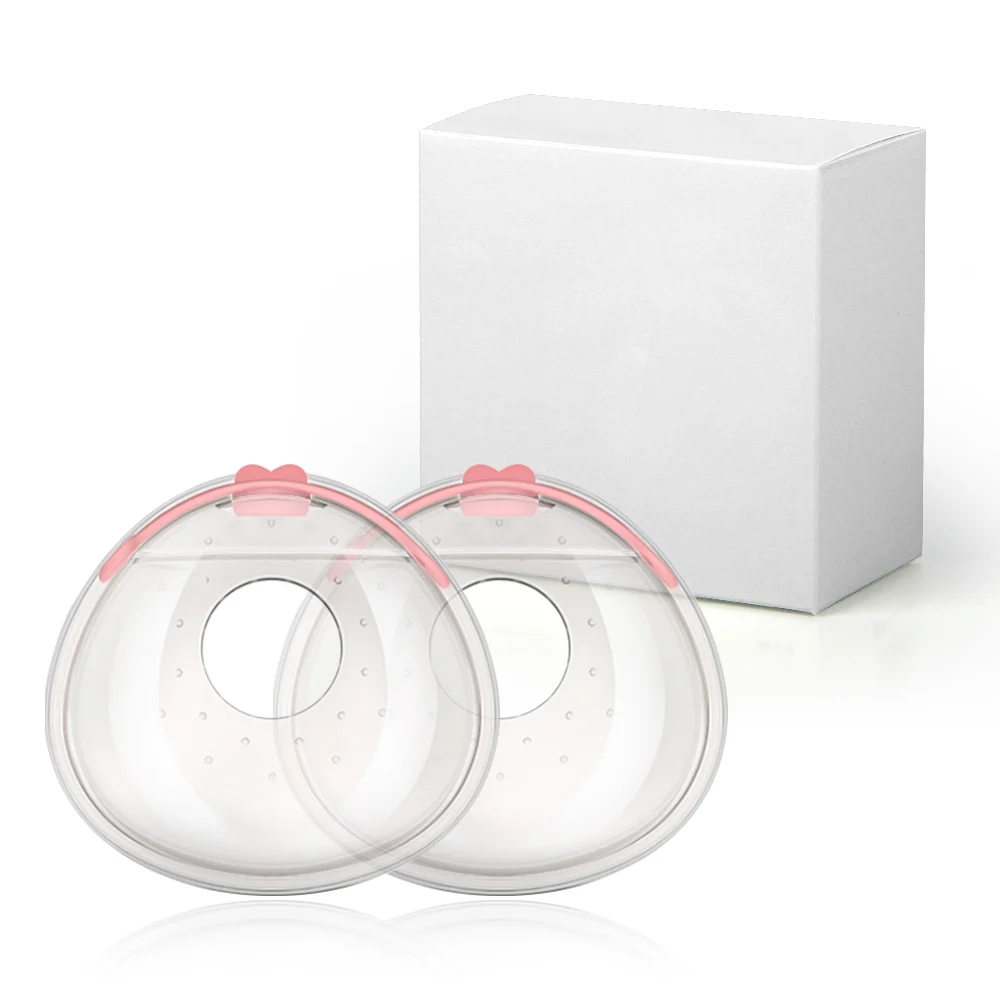
Breast milk collector shell for accessory product assortments.
View product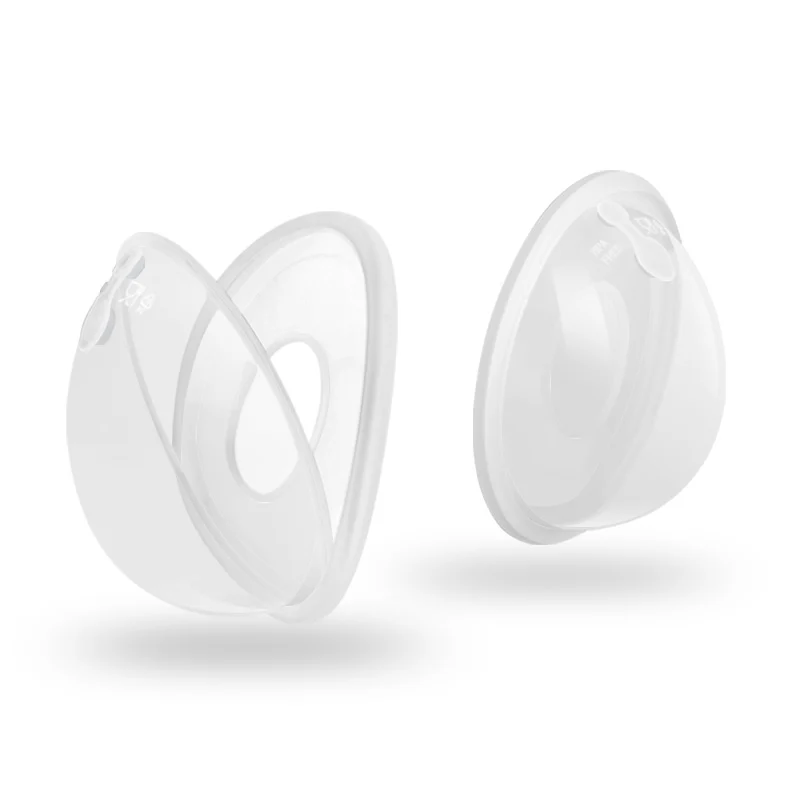
Milk Collectors
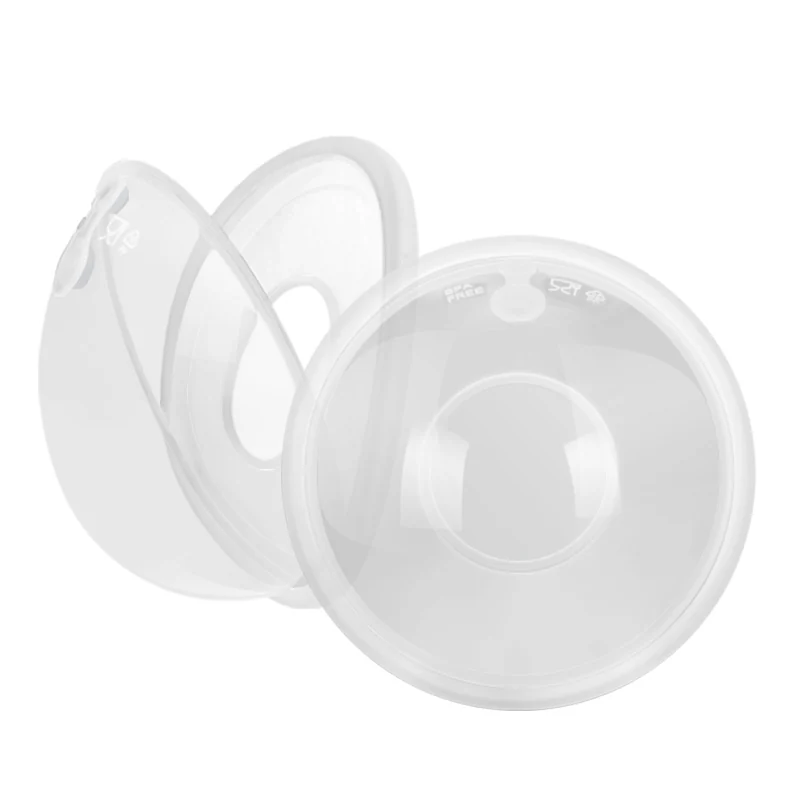
Collector shell model for milk saving and comfort use.
View product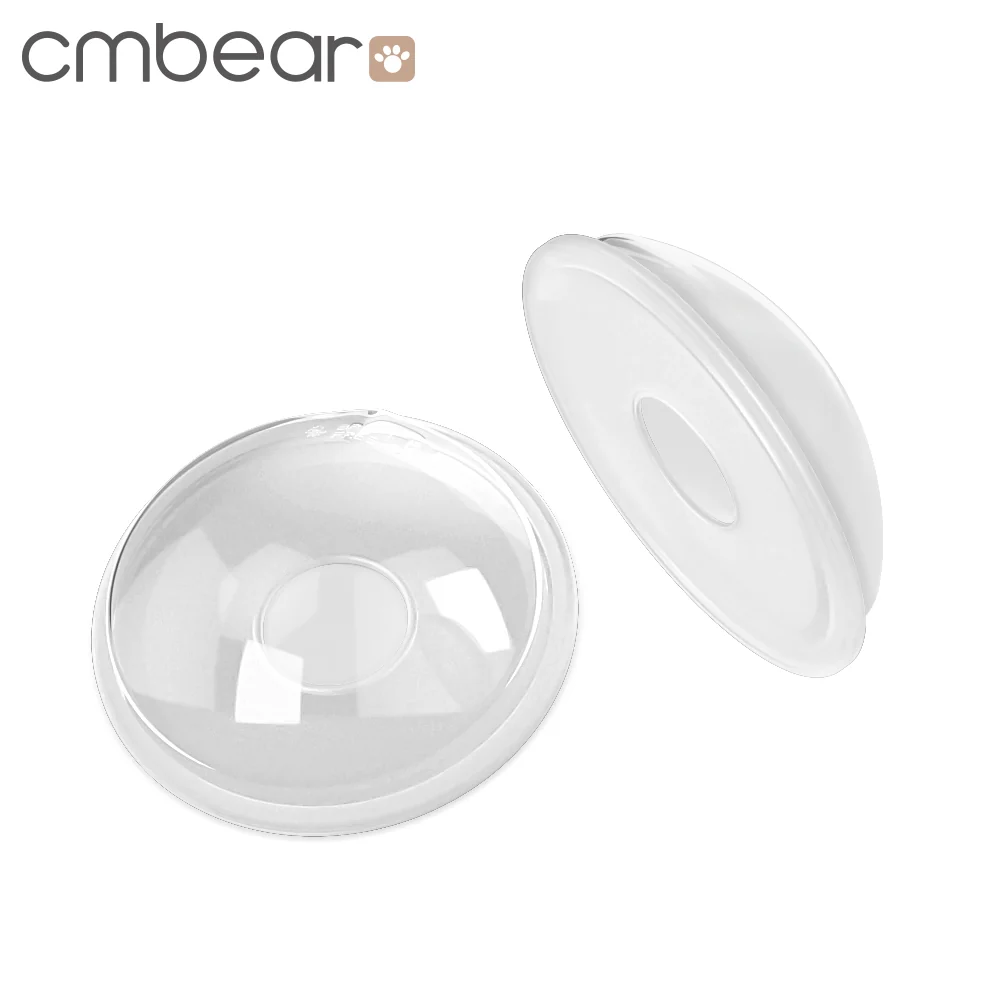
Milk Collectors
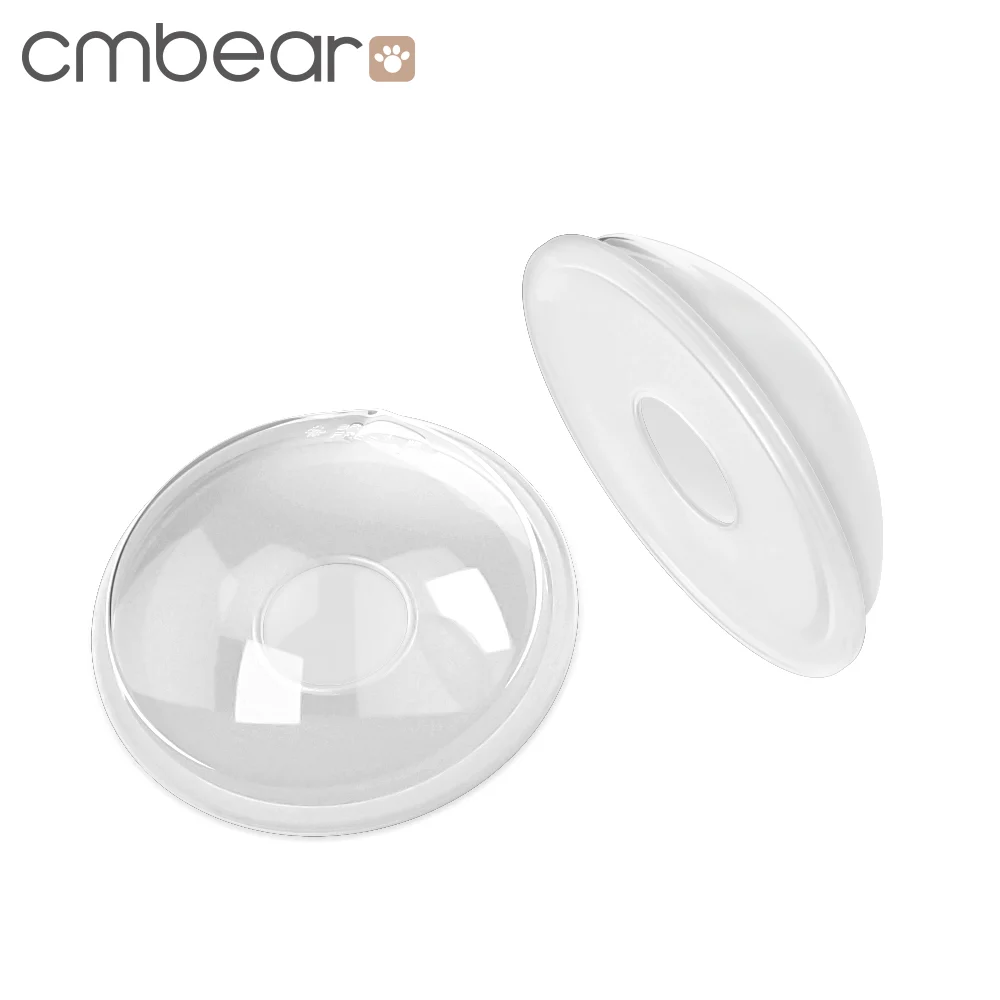
Collector shell accessory for maternal care collections.
View product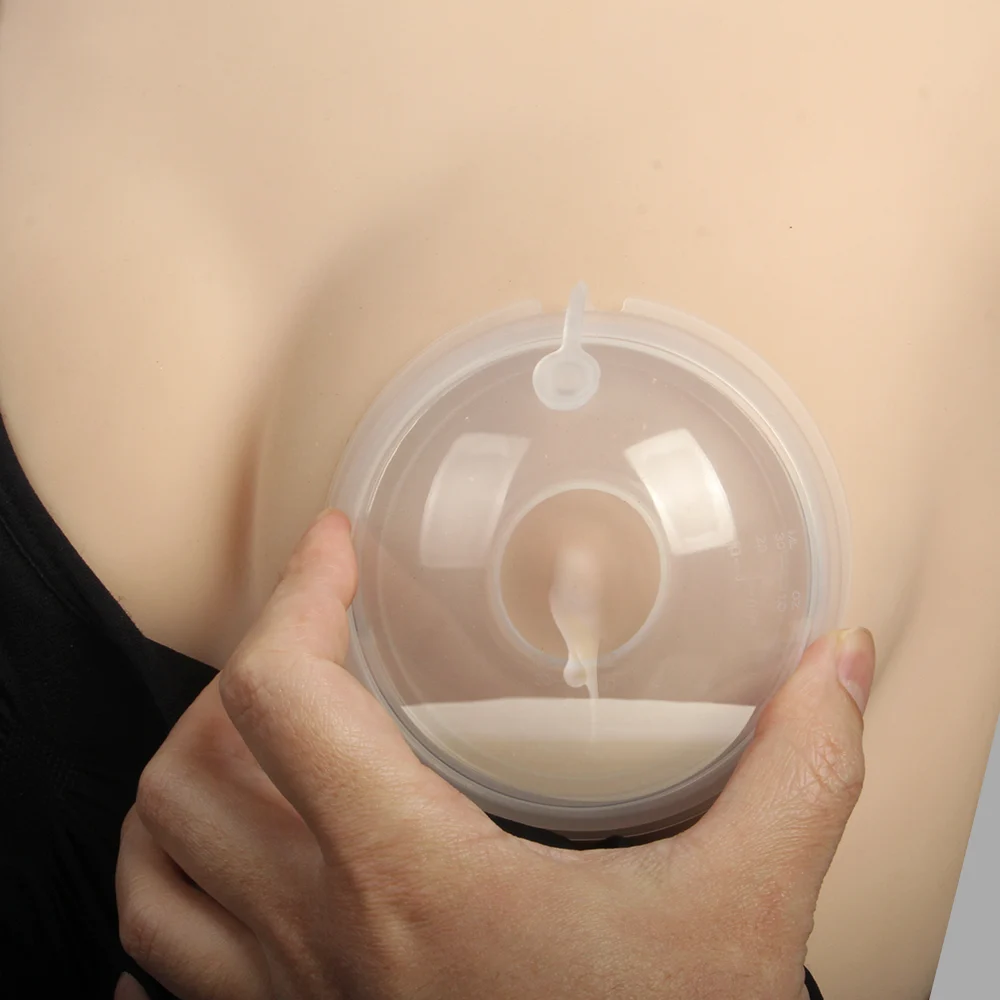
Milk Collectors
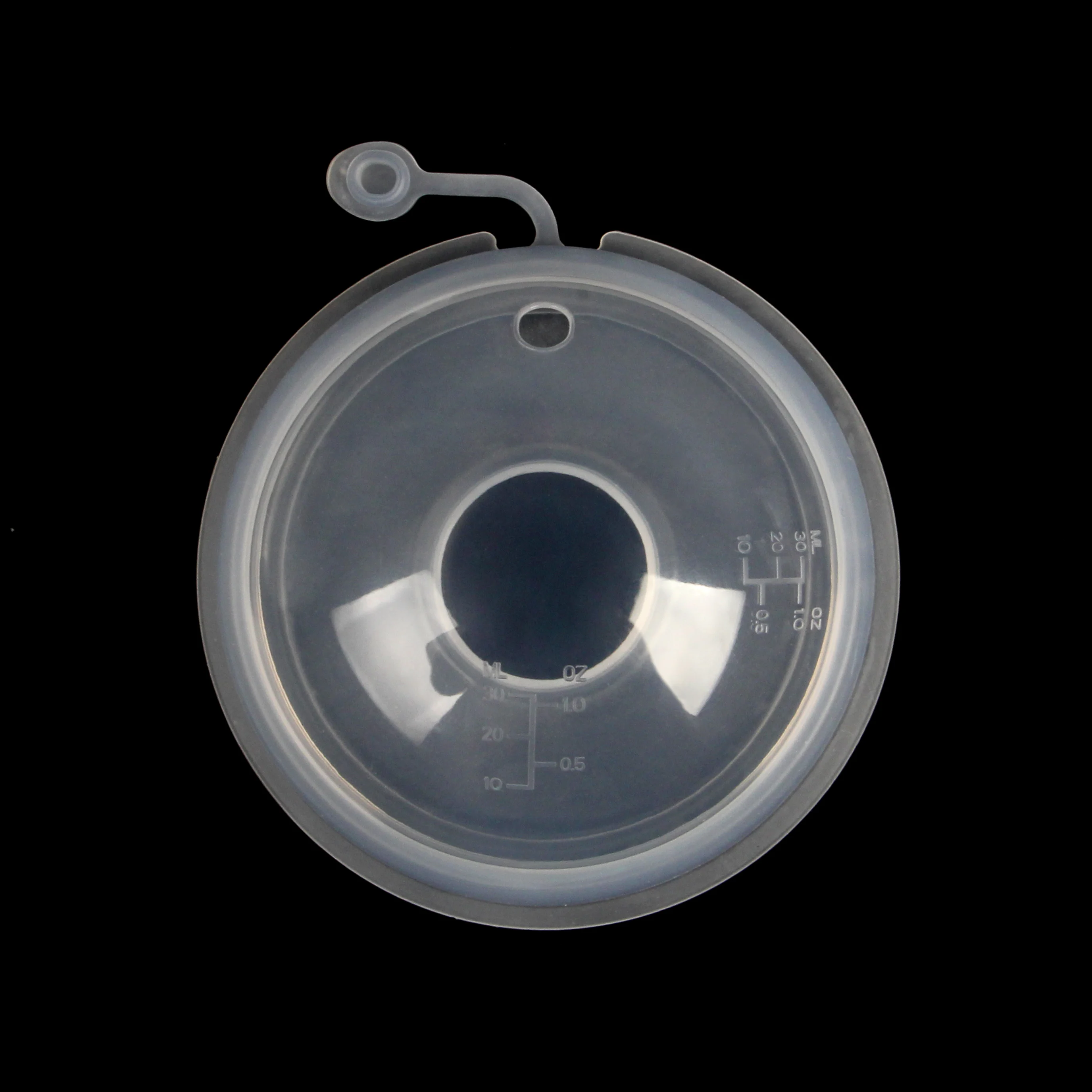
J-series breast milk collector shell for practical everyday use.
View productISO13485-certified facility with dedicated silicone molding and assembly lines since 2012. Buyers purchase directly from the manufacturing source.
All milk-contact parts use FDA 21 CFR 177.2600 compliant food-grade silicone. BPA-free, latex-free, phthalate-free. Material traceability records maintained per production batch.
Sample orders ship in 5–7 working days. Bulk production lead time confirmed per model, quantity, color, and packaging during quotation.
Milk collectors range from simple silicone shells to leak-proof wearable cups. The right choice depends on how the buyer positions the product — as a standalone item, a breastfeeding accessory, or part of a maternal-care gift set.
Open shell vs closed cup vs wearable insert: open shells suit value-priced accessory lines, closed cups with stoppers suit leak-proof milk-saving products, wearable inserts fit inside a bra for hands-free collection.
Models vary from 80 ml to 150 ml capacity. Measurement markings on the cup wall add perceived value for end users tracking milk volume.
All milk-contact parts are food-grade silicone. Confirm whether the destination market requires LFGB (EU food contact) certification in addition to FDA.
Some models use suction-only attachment, others include a lanyard or strap for security. The attachment style affects perceived safety and the product's retail positioning.
Single unit in a simple pouch, two-pack in a color box, or bundled with nursing pads and storage bags as a maternity starter kit. Packaging direction is decided during quotation.
We confirm the target market, retail channel, and whether the product will be sold standalone or as part of a bundle.
The buyer reviews published cup or shell models, or requests a custom shape, capacity, color, or stopper design.
Retail packaging artwork, carton layout, logo placement, and multi-language insert design are prepared.
A small pre-production batch is made for the buyer to approve silicone color, feel, and packaging fit.
Full production runs with in-line quality checks, typically completing within 25–35 working days.
Finished goods inspection to AQL standards. Silicone material batch certificates are included in the shipment documentation.
FOB Qingyuan or buyer-nominated forwarder. Documentation includes commercial invoice, packing list, material certs, and certification copies.
Standard MOQ is 1,000 units per model. Smaller trial runs can be discussed during quotation.
Yes. All milk-contact silicone complies with FDA 21 CFR 177.2600 and is independently tested BPA-free, latex-free, and phthalate-free. Batch-level material certificates are provided with every order.
Yes. The silicone housing can be Pantone-matched during sample development. MOQ for custom colors is confirmed per order configuration.
FDA food-contact compliance and CE marking. LFGB (EU), SGS material reports, and additional destination-market documentation can be arranged per buyer requirements.
Yes. Options include single-unit pouch, two-pack color box, and bundled gift sets with nursing pads or storage bags. Multi-language inserts are supported.
Yes. Mixed orders across product categories are supported. MOQ applies per model, and consolidated shipping is arranged at quotation.
Buyer evaluation
Collector products should be shortlisted from the visible model format and current product record. The selected item can then be planned as a standalone product, an accessory, or part of a wider maternal-care range.
| Buyer decision | Review in the current catalog | Confirm for the selected program |
|---|---|---|
| Cup or shell format | Check the exact model page for the visible collection form, opening, shell or cup layout, product images, and parts shown for that model. | Identify the preferred model or shortlist and whether it will be sold alone, bundled, or positioned as an accessory. |
| Visible parts and product presentation | Use the current model record to compare the parts and product presentation that are actually published for each collector. | Describe requested accessories, package direction, label needs, and the product information required for the intended program. |
| Buyer program and documentation | The catalog helps identify current products but cannot determine a buyer's destination-market or documentation requirements on its own. | Share the target market, customer channel, required documents, and configuration questions for the selected model. |
| Quotation-stage details | A product family page is not a fixed statement of materials, availability, commercial terms, or market-compliance scope. | Confirm final materials, options, MOQ, pricing, production timing, and destination-market requirements during quotation and sample review. |
Use the exact collector model and the selected bundle direction as the reference point for every quotation, sample, and final documentation discussion.
Product comparison
Milk collector products can use different cup or shell forms and have different visible parts. Review the exact model, product images and supplied instructions before deciding which collection product fits the intended routine or product range.
The consumer guide explains how to compare collection formats and find reliable handling information. Buyers can then use the product category to prepare an accessory, packaging or documentation request for the selected model.