
Factory experience since 2012
Work directly with a maternal-care product manufacturer that has supported OEM/ODM development since 2012, from early product selection through repeat-order planning.
Product Category
We manufacture wearable breast pumps for brands and distributors worldwide. ISO13485-certified factory, 6 customizable models, shipped to 30+ countries. Whether you need private labeling, packaging design, or market-specific adaptations — we're your OEM partner from prototype to pallet.
Factory-direct sourcing
Build your shortlist around a complete supply program—not just a product photo. Our team connects model selection, customization, documentation, packaging and delivery planning so brand and distributor buyers can make each approval on the same project basis.
Work directly with a maternal-care product manufacturer that has supported OEM/ODM development since 2012, from early product selection through repeat-order planning.
Our factory operates an ISO 13485 quality-management system. Available FDA and CE documentation is reviewed against the selected model, configuration and destination market before approval.
OEM programs normally begin MOQ discussion from 1,000 units for private-label launches and distributor planning. Final MOQ is confirmed with the model, color, packaging and order configuration in the quotation.
Coordinate approved color direction, logo placement, labels, manuals and retail packaging so the finished program fits your brand and sales channel.
Use a 15-day sample target and a 30-day delivery target as the starting planning brief. The confirmed schedule depends on approvals, customization, quantity, testing and shipping scope.
One account contact coordinates product questions, artwork, samples, approvals, production updates and shipping preparation so decisions remain connected throughout the project.
Market selection guide
The right model depends on who will buy it, where it will be sold and which claims and documents the final configuration can support. Use these five decision points before comparing the six current catalog models.
Decision 1
Single-pump programs can support an accessible price point and a simpler starter kit. Double-pump programs can serve buyers seeking a more complete routine, but they may require a different accessory, package and price strategy.
What to confirm: Confirm the intended user, retail price band, kit contents and whether the range needs one hero SKU or several tiers.
Decision 2
Compact motor platforms prioritize wearable size and consumer portability. Any hospital-grade positioning should be used only when the selected model's technical, hygiene and regulatory evidence supports that market claim.
What to confirm: Compare documented motor, pumping, cleaning and intended-use information for the exact model rather than relying on a broad marketing label.
Decision 3
Battery expectations affect daily-use positioning, travel convenience, carton content and customer support. Charging connector, adapter, indicator behavior and recharge information should be reviewed together.
What to confirm: Request the current specification sheet for the shortlisted model and confirm destination-market power and labeling needs.
Decision 4
Required documents, labels, manuals, electrical information and market registrations vary by destination and by the final product configuration.
What to confirm: Name every intended country early so available documents and any additional review can be identified before packaging approval or production.
Decision 5
E-commerce, pharmacy, specialty retail, distributors and value bundles may need different product stories, price architecture, packaging space and accessory presentation.
What to confirm: Share your channel, target buyer, planned price position and competitor reference points so the six current models can be shortlisted on a consistent basis.
OEM/ODM sourcing
Review published models, then share your market, buyer channel, product target, packaging needs, and documentation requirements. This helps the sales team prepare a relevant sourcing response instead of a generic model list.
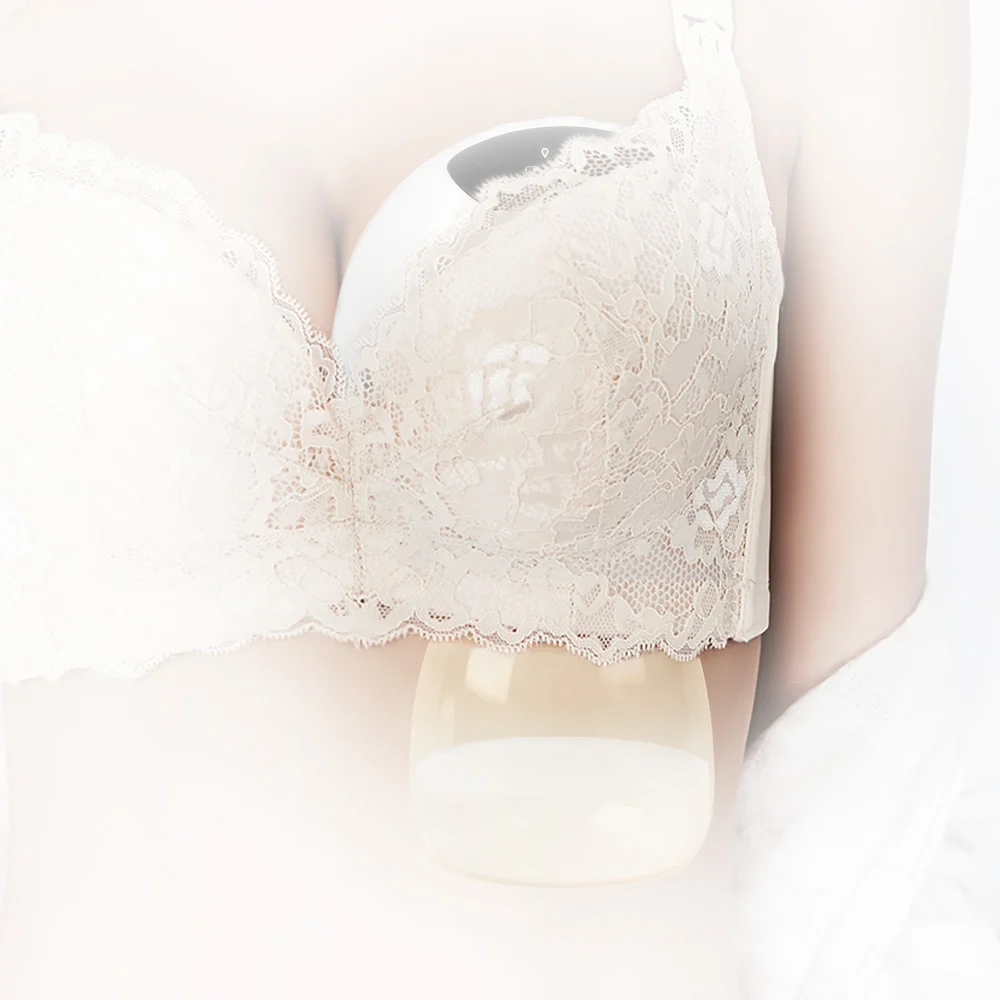
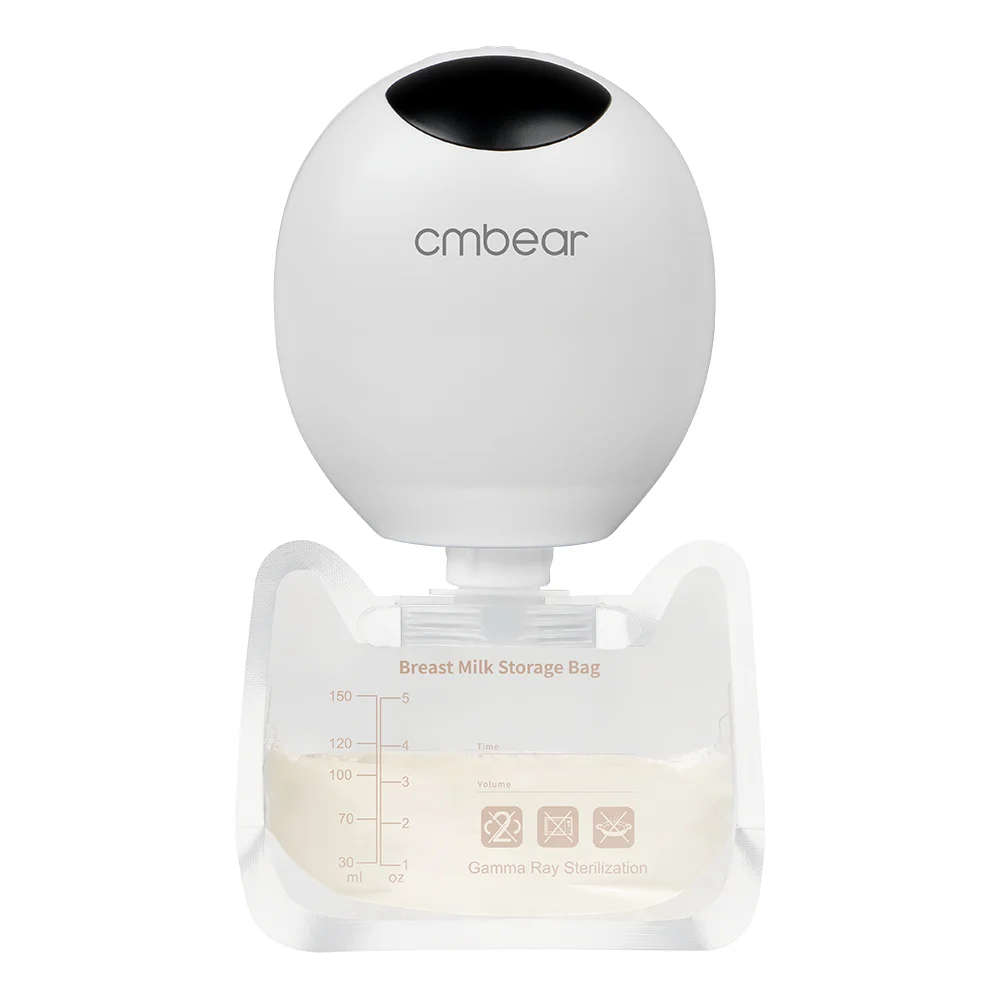
Wearable Breast Pumps
Portable breast pump designed for private, mobile use.
View product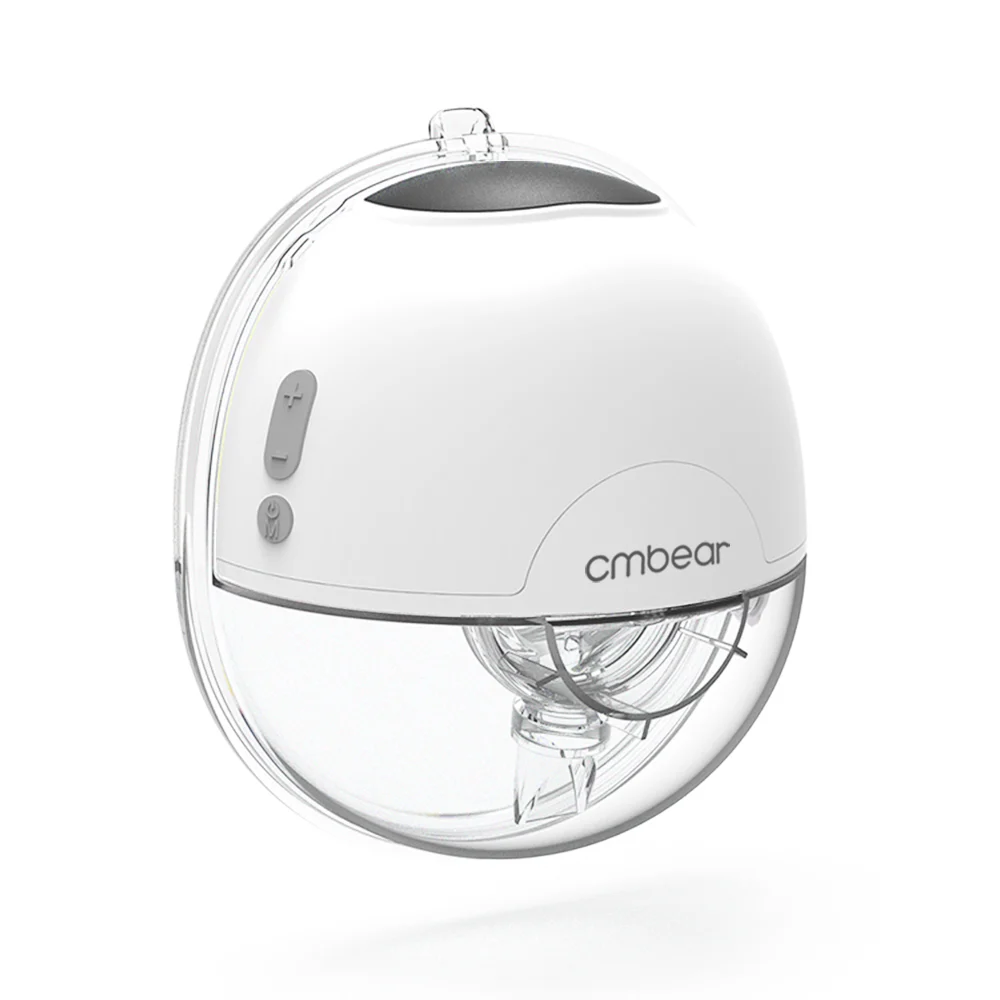
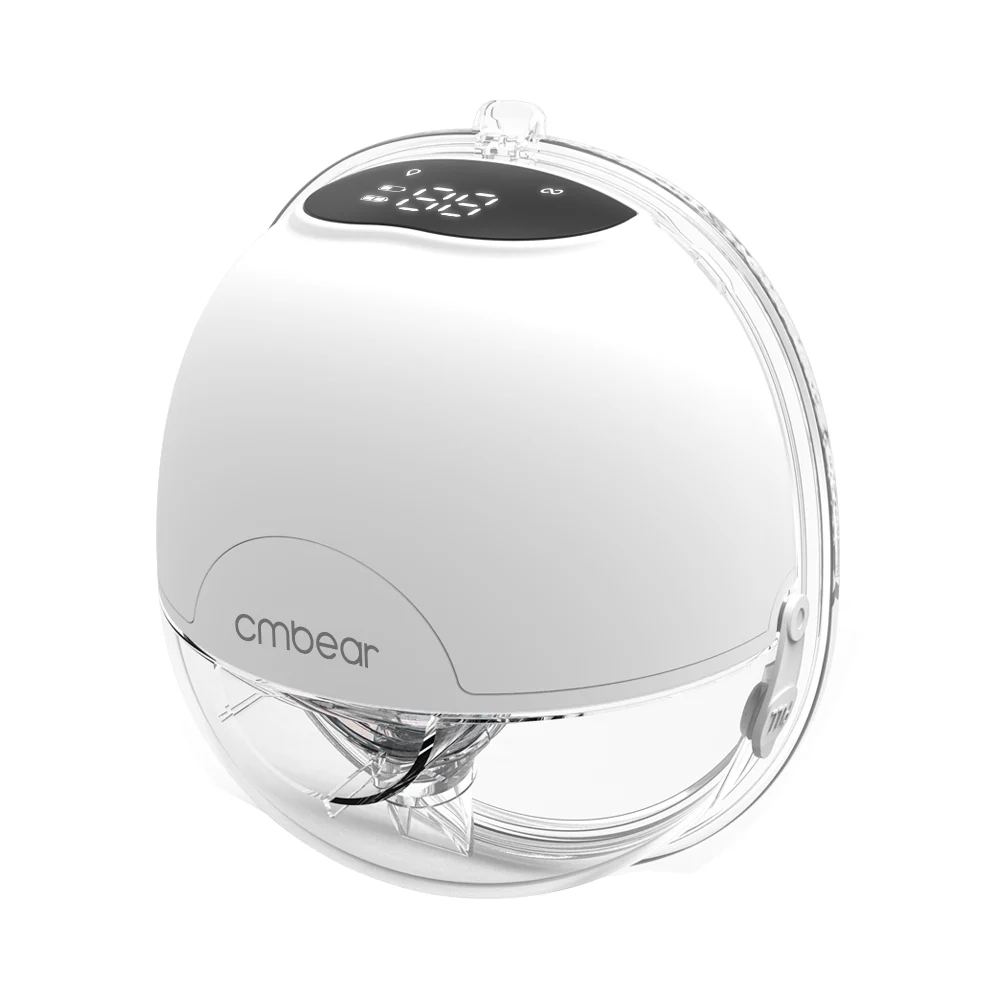
Wearable Breast Pumps
Wearable pump for lightweight consumer product lines.
View product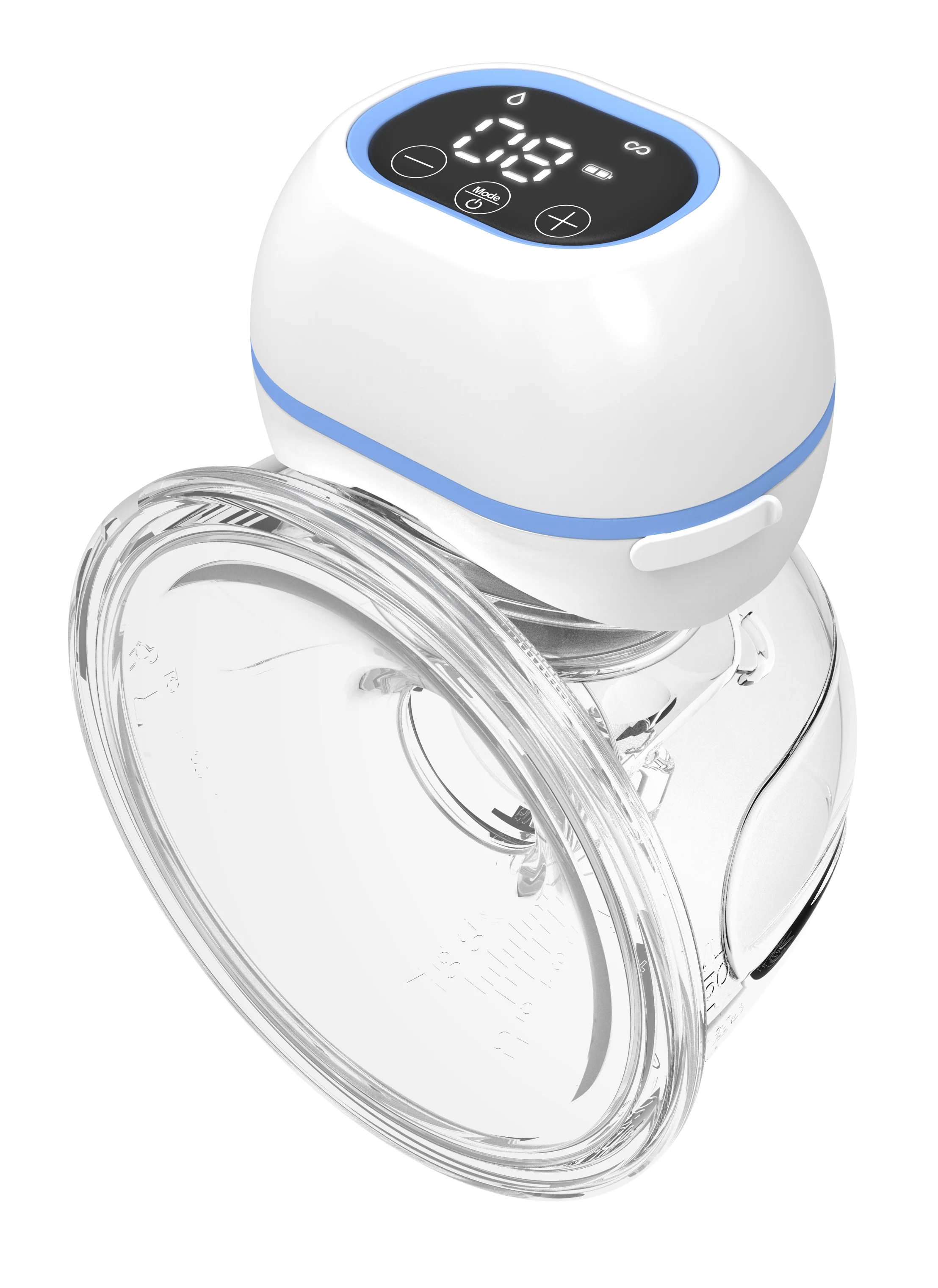
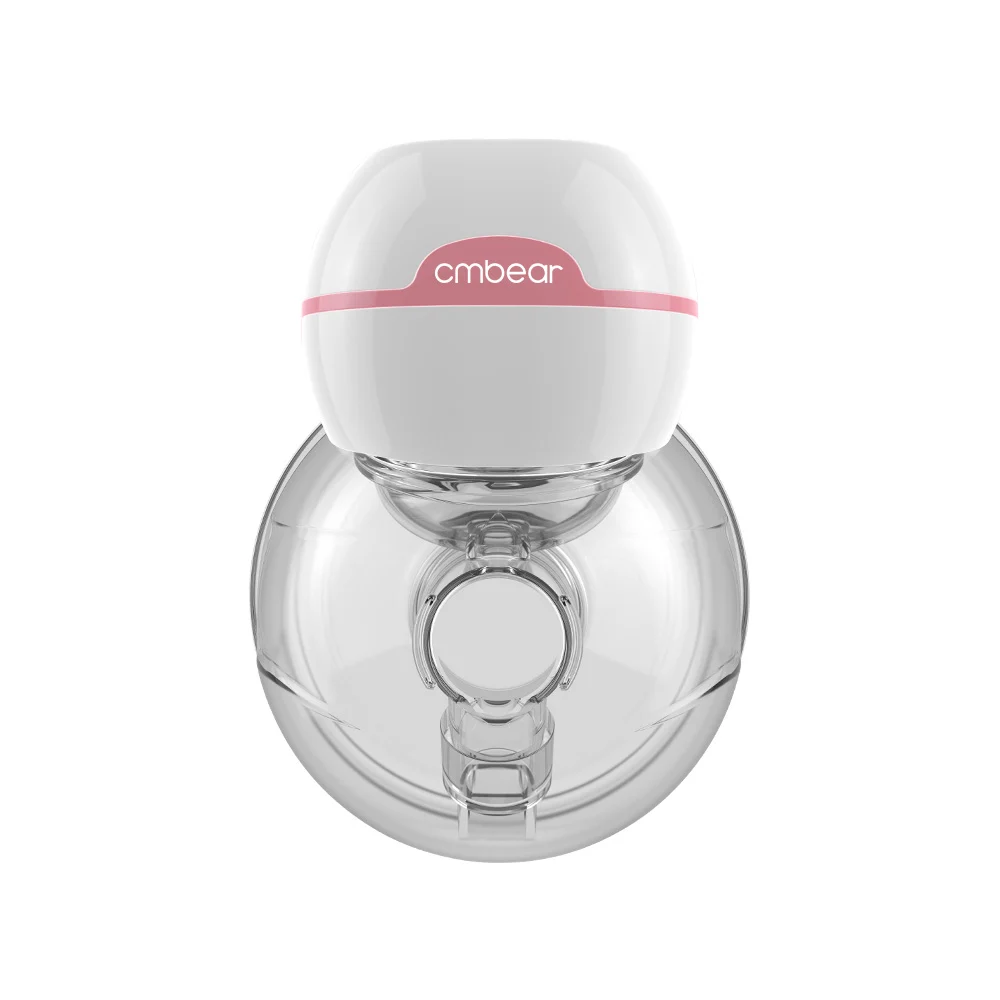
Wearable Breast Pumps
Entry wearable model for brand owners and distributors.
View product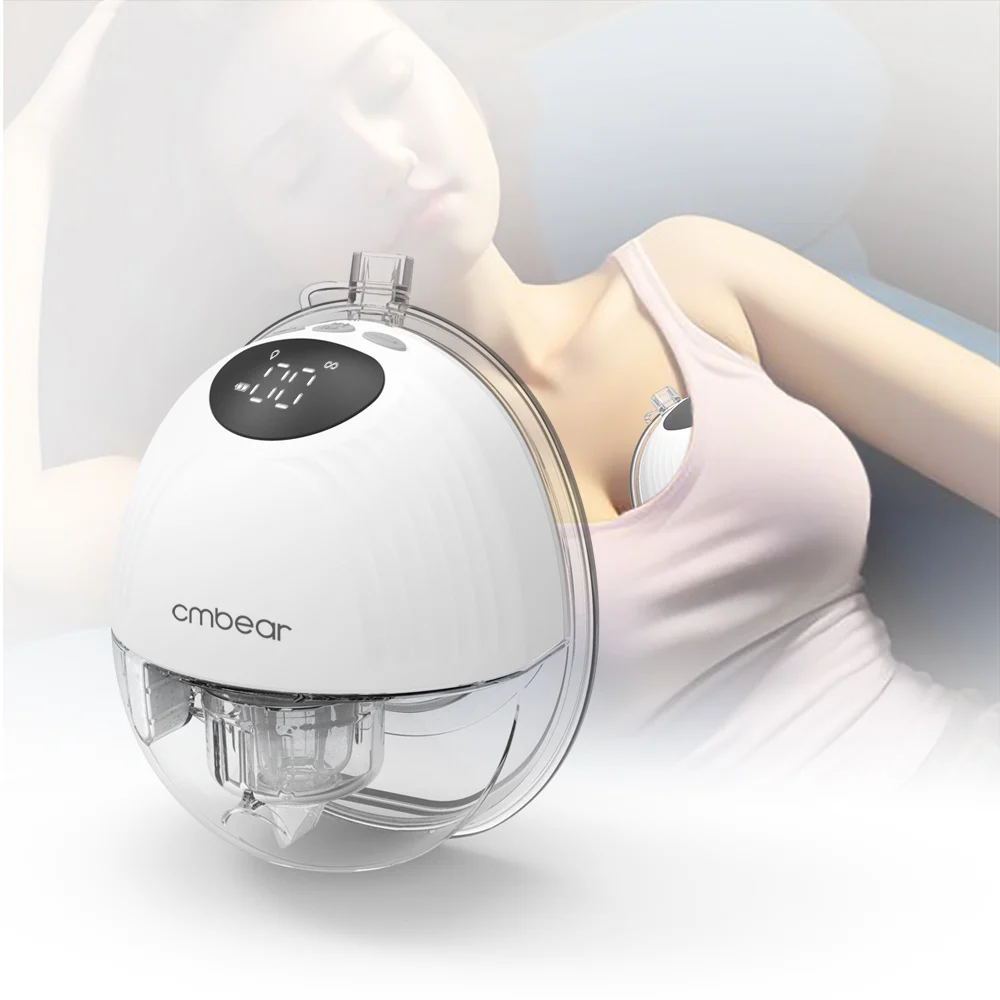
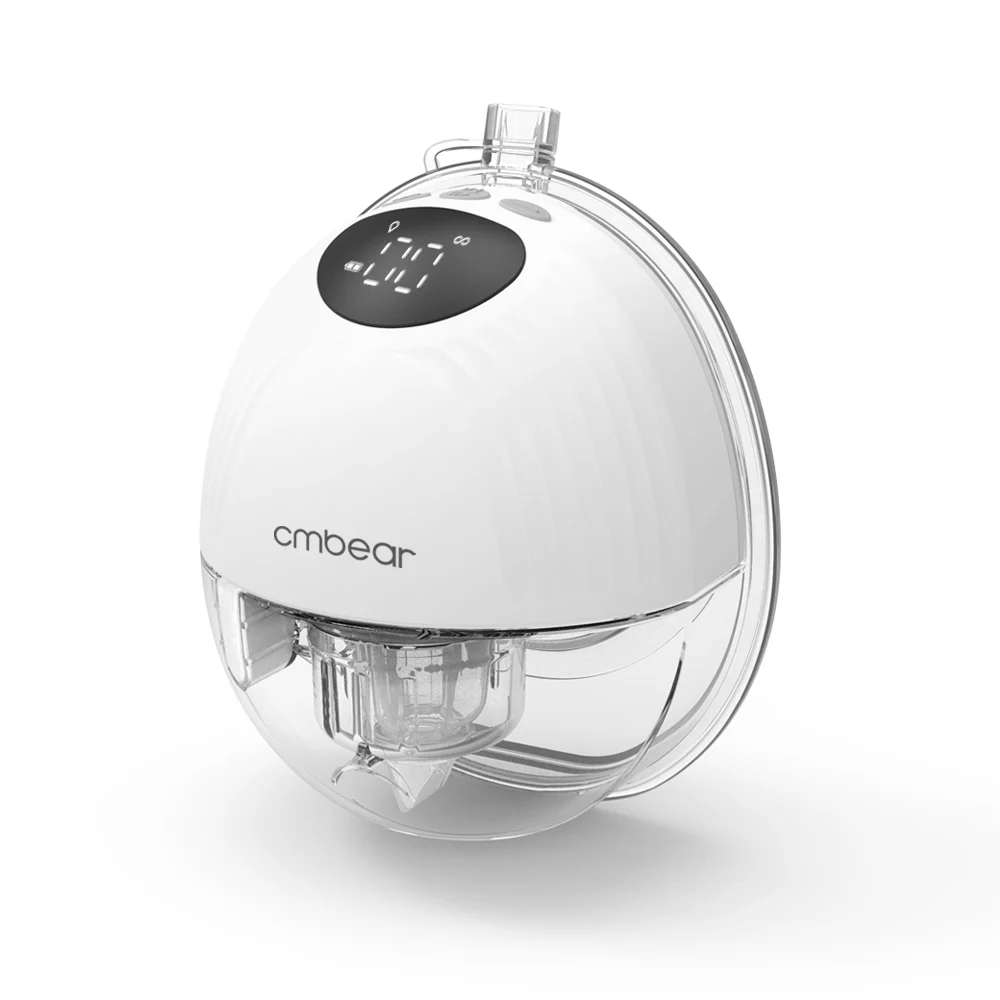
Wearable Breast Pumps
Upgraded wearable breast pump for more flexible use scenarios.
View product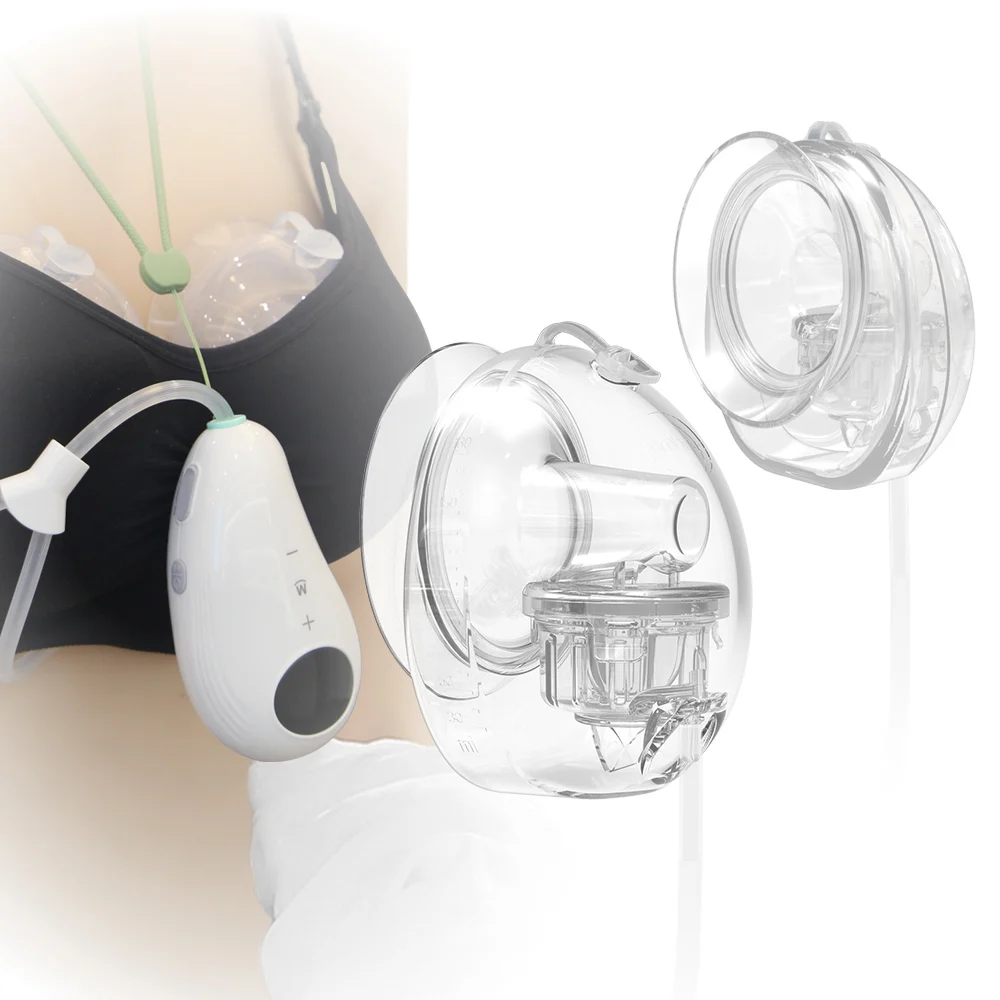
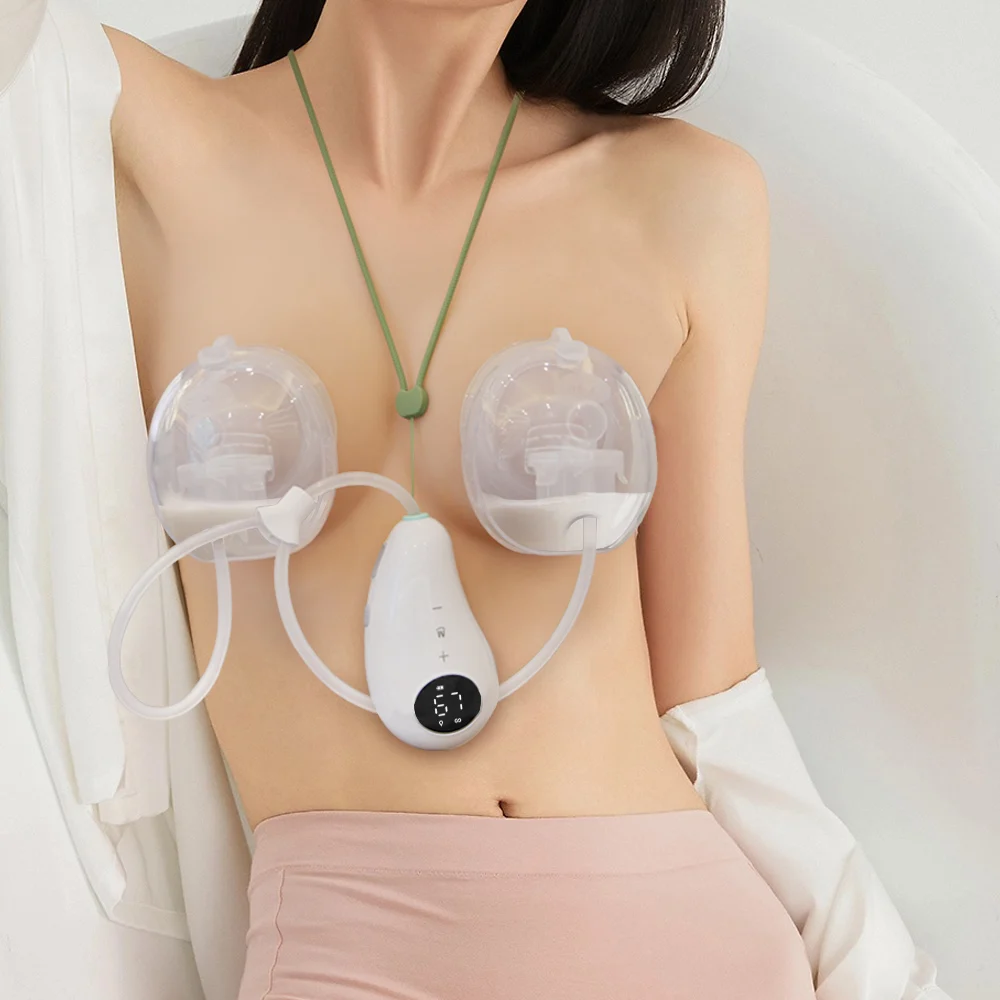
Wearable Breast Pumps
Mango-style double lying down pump for distinctive consumer lines.
View product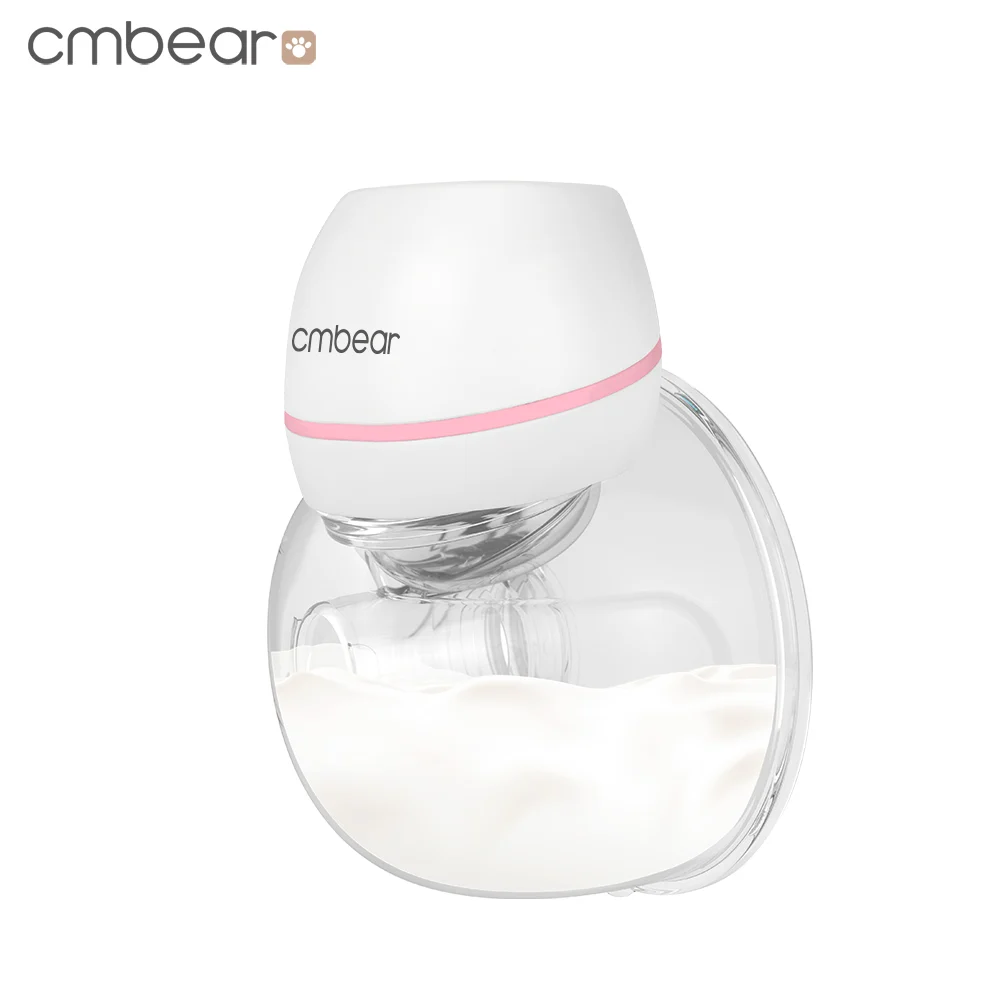
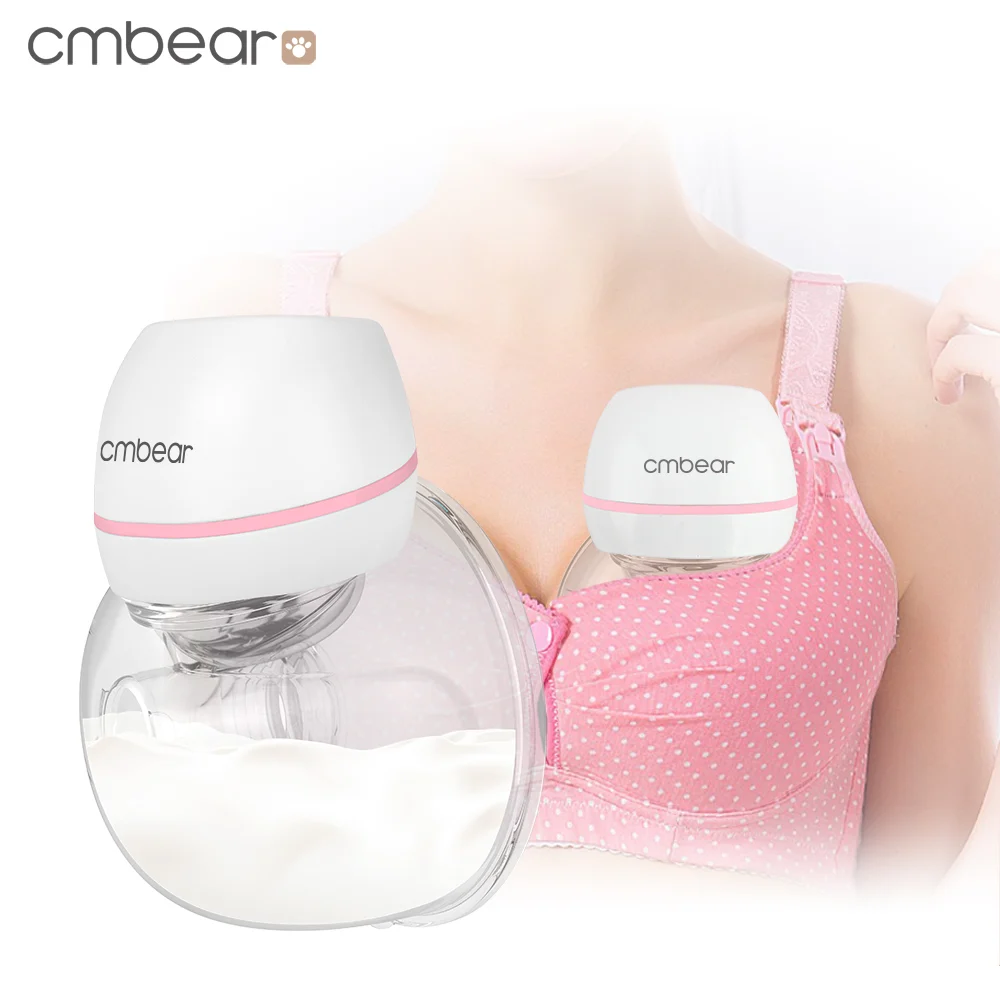
Wearable Breast Pumps
Hands-free wearable pump with a clean digital control interface.
View productFrom brief to shipment
Seven connected stages keep the product, packaging, quality review and delivery basis aligned. Exact timing and deliverables are confirmed for the selected model and project scope.
Share the target market, channel, quantity, price position and document needs. We turn that brief into a model and project shortlist.
Review a shortlisted model and define the approved color, logo, accessory and functional configuration for the sample stage.
Align artwork, labels, manual language, retail-box structure and shipping-mark requirements before final approval.
Use a controlled trial run to check the approved product, assembly, package presentation and inspection references before scale-up.
Production follows the approved sample, order specification and confirmed project schedule, with account-level progress coordination.
Review the finished order against the agreed inspection scope, product configuration, packaging and traceability records.
Confirm cartons, shipping documents and the agreed logistics handover so the approved order can move to its destination.
Buyer evaluation
Use the current catalog to narrow the product form first. Then keep the final SKU, package, and documentation decisions connected to the exact model instead of treating a category statement as a finished specification.
| Buyer decision | Review in the current catalog | Confirm for the selected program |
|---|---|---|
| Product form and visible arrangement | Check the exact model page for the visible cup or shell, control housing, collection layout, product images, and listed accessories. | State the selected model or shortlist and the role it should play in the planned product range. |
| Retail and buyer fit | Compare the model-specific product presentation rather than assuming that all wearable models have the same parts or positioning. | Share the target customer, sales channel, and preferred retail presentation for the selected program. |
| Brand, packaging, and manual direction | Use the published model record as the starting point for the current product identity and available visual evidence. | Discuss logo, color, packaging, label, manual language, and destination-market requirements for the approved version. |
| Quotation-stage details | The catalog helps compare models; it is not a fixed commercial or market-compliance commitment for every configuration. | Confirm current options, requested documents, MOQ, pricing, timing, and destination-market scope during quotation and sample review. |
A model page supports first evaluation. Final commercial, technical, and destination-market details must be confirmed for the selected configuration.
Buyer questions
Use these answers as a planning baseline. Your quotation and approved sample remain the final reference for the selected model, market and customization scope.
OEM MOQ normally starts from 1,000 units. The final MOQ is confirmed for the selected model, color, branding, packaging and order configuration because different customization scopes can change the production setup.
Yes. OEM/ODM planning can cover approved product colors, logo placement, labels, manuals, retail packaging and carton artwork. Send your brand guide and target-market requirements so the team can confirm what is available for the selected model.
The factory operates an ISO 13485 quality-management system. Product-specific FDA, CE and other destination-market documents depend on the exact model, configuration and intended country, so current files and their scope are confirmed during model review rather than assumed for every product.
A 15-day customized-sample target and a 30-day delivery target can be used for initial planning. The final schedule is stated in the quotation because approvals, quantity, testing, packaging and shipping method can affect timing.
Exclusive model, configuration or market arrangements can be discussed for qualified distributor programs. Availability depends on the selected product, territory, order plan, investment and written commercial agreement; exclusivity is not automatic from a catalog inquiry.
Warranty scope and after-sales handling are confirmed for the selected model and destination market in the quotation or supply agreement. For a reported issue, the team reviews the model, batch, evidence and agreed terms before coordinating the appropriate response.
Factory-direct inquiry
Share your target market, preferred model, quantity, branding and packaging direction. We will use that brief to prepare the next sourcing step.
Product comparison
A wearable breast pump comparison starts with the exact product format, not a broad best-product claim. Review the visible cup, collection arrangement, controls, listed accessories and the instructions supplied for the selected model before deciding which product page to explore further.
Consumer guides help visitors compare product types and find the right next step, while the catalog remains the place to review current models. For OEM and private-label programs, packaging, documentation and final configuration are confirmed against the chosen model.