Manual Breast Pumps
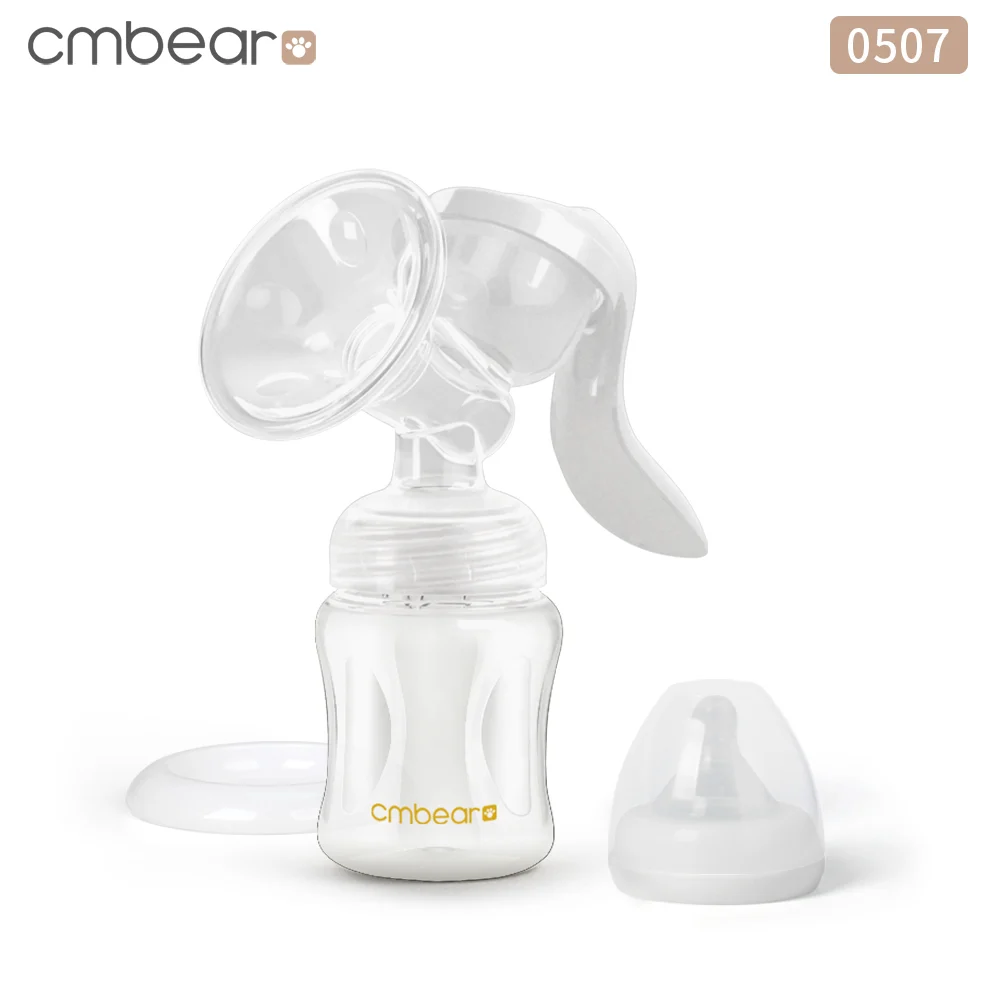
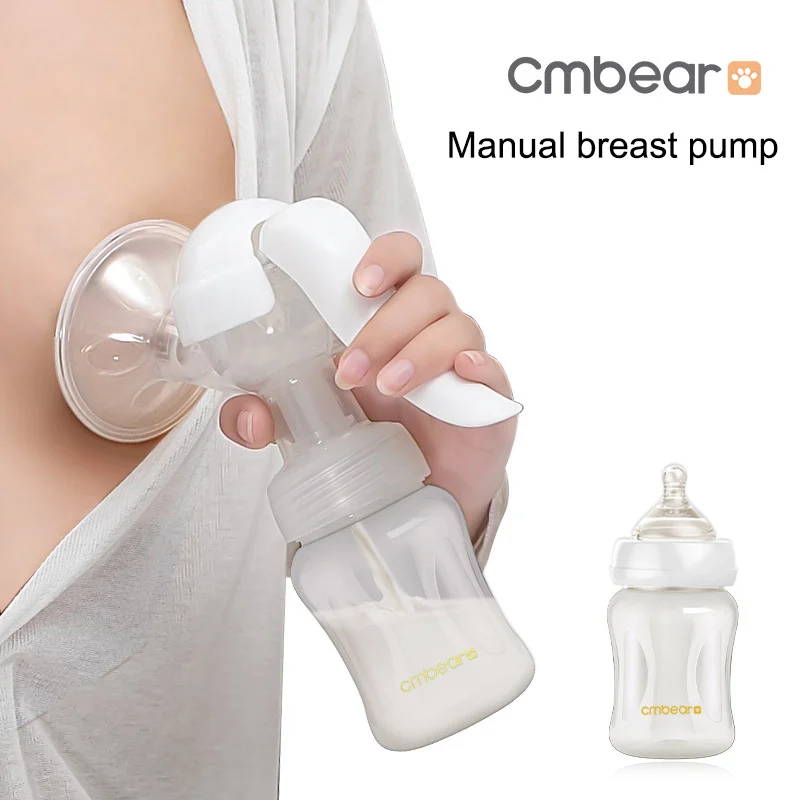
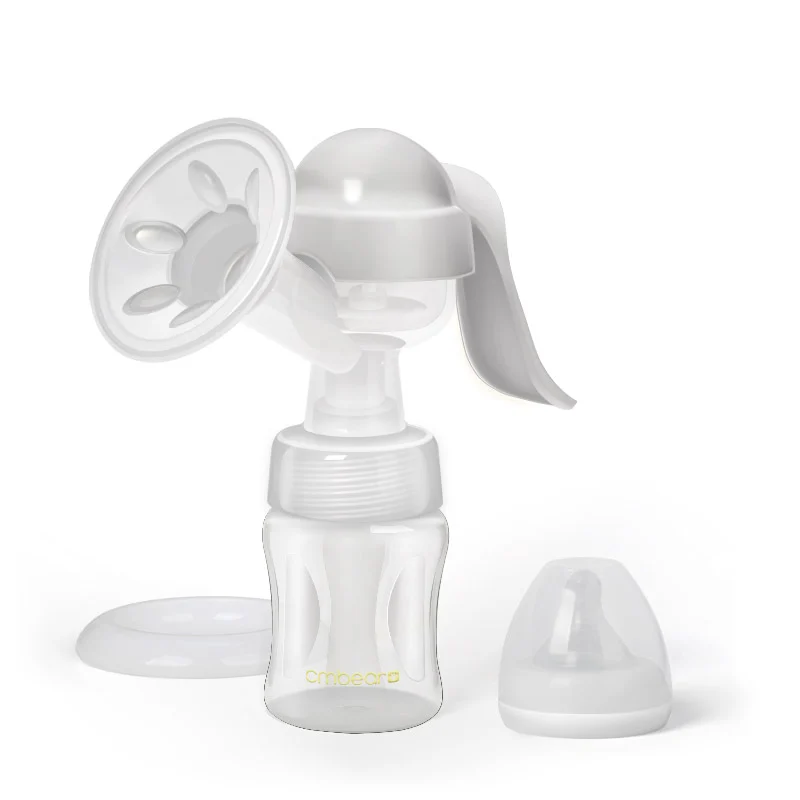
Manual Breast Pump 0501/0503
Manual breast pump set for dependable everyday expression.
View productProduct Category
Lightweight manual options for retail and travel lines. Built for OEM/ODM buyers planning travel-friendly pumping kits, value retail programs, and simple no-battery product lines.
OEM/ODM sourcing
Review published models, then share your market, buyer channel, product target, packaging needs, and documentation requirements. This helps the sales team prepare a relevant sourcing response instead of a generic model list.
ISO13485-certified production site with dedicated manual-pump assembly lines since 2012. No trading-company markup — buyers work directly with the manufacturing team.
CE and FDA compliant. Material documentation, SGS reports, and country-specific certification support are available per buyer program.
Sample orders ship in 5–7 working days. Mass production lead time confirmed per model, quantity, and packaging requirements during quotation.
Manual breast pumps serve distinct buyer programs — from value retail lines to hospital discharge kits and travel accessory sets. These five factors help align the right model with the right channel.
Single-handle lever vs dual-action compression: lever pumps suit budget-conscious retail, dual-action suits mid-tier programs where comfort is a selling point.
Some models ship with one bottle and flange, others include carrying case, spare valves, and multiple bottle sizes. Define the retail kit before locking the model.
All milk-contact parts use food-grade silicone. Confirm whether the destination market needs additional material test reports beyond standard CE/FDA.
Hanging card for pegboard retail, color box for shelf display, or minimalist pouch for hospital distribution. Packaging direction affects the per-unit cost and MOQ.
Confirm whether the buyer wants the pump to work with standard wide-neck or narrow-neck bottles, as this changes the flange and connector design.
We confirm the target market, retail channel, and desired product positioning before model selection.
The buyer reviews published models or requests a custom handle, color, or accessory configuration with sample approval.
Retail box artwork, carton layout, logo placement (silk-screen or laser engraving), and multi-language manual are prepared.
A small pre-production batch is made for buyer approval before committing to mass production.
Full production runs with in-line quality checks at each station, typically completing within 25–35 working days.
Finished goods inspection against AQL sampling standards, with inspection reports shared before shipment release.
FOB Qingyuan or buyer-nominated forwarder. Documentation package includes commercial invoice, packing list, and certification copies.
Standard MOQ is 1,000 units per model. Smaller trial orders can be discussed during quotation.
Yes. Combined orders across pump categories are supported. MOQ applies per model, and mixed-container shipping is arranged as needed.
CE and FDA compliance. Material test reports (SGS), RoHS, and additional destination-market documentation are available on request.
Sample orders: 5–7 working days. Mass production: typically 25–35 working days depending on model, quantity, and customization scope.
Yes. We offer hanging-card packaging, color-box retail packaging, and custom carton design. Multi-language manuals can be included in the packaging program.
Yes. Silk-screen printing or laser engraving on the pump handle and collection container is available. Custom color options are confirmed during sample development.
Buyer evaluation
The current catalog can help a buyer identify the model and visible kit structure. The final program should then connect the selected product to the accessory set, retail presentation, and documentation required for the target market.
| Buyer decision | Review in the current catalog | Confirm for the selected program |
|---|---|---|
| Manual product form and listed parts | Review the exact product page for the visible handle, collection container, listed parts, product images, and current model information. | State the preferred model or shortlist and the product role it should serve in the planned range. |
| Accessory and retail-kit direction | Compare models by the product evidence published for each one instead of assuming that a kit shown for one page applies to another. | Describe the desired accessory set, carton, label, manual language, and retail or travel-use presentation. |
| Buyer channel and market context | Use the model record as a practical starting point for product comparison before deciding on the final buyer program. | Share the target customer, sales channel, destination market, and any configuration-specific document requirements. |
| Quotation-stage details | Website content supports initial selection; it does not establish fixed package contents, commercial terms, or market scope for every version. | Confirm final accessories, materials, documents, MOQ, pricing, production timing, and destination-market requirements during quotation and sample review. |
Keeping the model, kit, packaging, and quotation together reduces the risk of comparing or ordering different versions under one manual-pump label.
Product comparison
A manual breast pump can be compared by its visible handle, collection container, listed parts and the instructions that apply to the exact model. This gives both consumers and buyers a more useful starting point than treating every manual pump as the same product.
For consumer product research, use the manual pump tutorial and the full pump comparison guide. For an OEM program, define the desired product, accessory set, retail packaging and destination-market requirements before requesting a quotation.