
OEM/ODM Packaging
Private Label Breast Pump Packaging: An OEM Buyer's Checklist
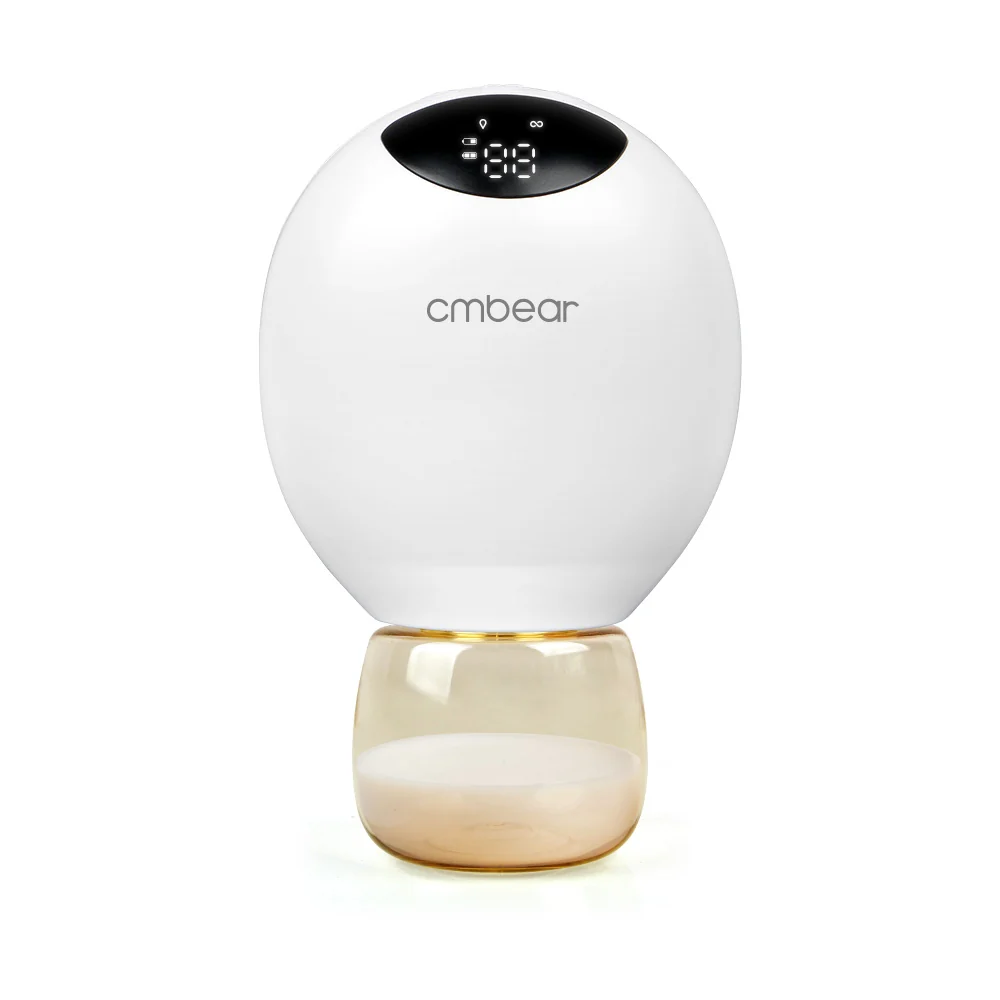
Private label breast pump packaging should describe exactly what a customer will receive. Before printing, connect the chosen model, included accessories, artwork, instructions and sales-channel requirements to one written release record. That gives the brand and factory a common reference for what will actually reach the buyer.
This guide is for brands, importers and distributors that have already shortlisted a product. It offers a suggested purchasing workflow, not a packaging test report or legal advice. If you are still deciding your launch range, start with our private-label product line planning guide, then use the steps below to prepare the packaging brief.
Start with the exact product and included accessories
Agree the packing list before commissioning the final layout. Record the model, colour, single or double configuration, quantities of each accessory and which items are sold separately. A charging cable shown in a photograph should not automatically become part of the promised kit; confirm its inclusion in the order specification.
For wearable breast pumps, compare the actual collection components and accessories supplied with the selected version. Check whether the product image on the box shows that same configuration. An illustration of a two-pump set can mislead a buyer if the retail unit contains only one pump.
Review electric breast pumps against their own kit list rather than reusing a wearable carton layout. Ask the supplier for the approved product dimensions and proposed packing arrangement. Have the team check how the complete set fits, whether parts can move and how customers will remove and identify them.
Prepare a usable custom breast pump packaging artwork brief
Send the designer a clear file brief: logo artwork, colour references, required languages, proposed text and the supplier's current box template. Identify who confirms the template dimensions and who checks print feasibility. Keep cut lines, fold lines and artwork layers distinguishable so an annotation is not mistaken for printable content.
Ask for a review copy showing every panel, not only the front. Mark the intended logo position, product photograph, kit contents, instructions reference and barcode area. Compare a physical colour proof with the agreed reference when colour matters; a screen preview alone is not an agreed print standard. Discuss feasible finishes and costs before approving the design.
Check labels, instructions and market-specific statements together
The model name and configuration should agree across the box, device label, manual and commercial specification. Build one approved text sheet and identify the person responsible for each language. Ask a qualified reviewer to check technical translations; a fluent marketing translation can still misdescribe a control, accessory or cleaning instruction.
For the United States, FDA's general device labeling requirements address matters including business identification, directions for use and the visibility of required information. Treat that overview as a starting point for review, not proof that a proposed box or device meets every applicable requirement. The final wording needs assessment for the actual product and market.
Our market-specific documentation request guide helps buyers organize the questions that need an answer before release. Do not add certification logos, approval claims, performance figures or compatibility statements simply because they appear on another package. Keep the evidence and reviewer decision with each proposed claim; leave unresolved wording out of the print-ready file.
Give barcodes and shipping labels their own review
GS1's barcode quality guidance identifies issues such as quiet zones, contrast, symbol size, printing defects and placement. Leave the required clear space around the selected barcode and have the print supplier check the applicable specifications. A barcode pasted into a design is not evidence that the printed package will scan reliably.
Ask the buyer to confirm the correct identifier for the retail item and any separate warehouse labels. Distinguish these from carton shipping marks so one label does not obscure another. Compare the encoded value with the approved product record, and check a representative printed sample using the receiving channel's requirements. Keep the result with the artwork revision.
Match the packing brief to the sales channel
For an online channel, request the current fulfilment and receiving instructions before finalizing the outer package. Discuss the retail box, protective shipping package and shipping labels as separate parts of the brief. Record the agreed protection and testing requirements rather than calling a package transport-tested because a sample arrived undamaged.
For distributor or retail orders, ask how individual units will be displayed, counted and received. Confirm units per master carton, readable carton markings and any local-language presentation requirements. When a brand uses more than one channel, record the differences explicitly; a changed kit or market label should not be hidden inside a shared artwork file.
Use a private label breast pump packaging approval checklist
Copy the fields below into a project sheet and use them as your breast pump packaging checklist. For each item, add an owner, evidence filename, revision, approval date and status: open, approved or superseded. Purchasing, design and quality reviewers can then work from the same record instead of searching through messages.
An approval should name what it covers. For example, approving the colour proof does not close a missing translation review. Keep the release status open until the required reviewers have resolved the relevant items.
- Kit record: model, colour, accessory names and quantities, plus excluded items.
- Structural pack: box template revision, internal arrangement and agreed materials.
- Artwork set: every panel, product image, logo, colour reference and file revision.
- Label and manual review: model consistency, approved claims, languages and reviewer.
- Barcode record: confirmed value, intended use, placement and printed-sample checks.
- Channel brief: retail unit, protective shipping pack, carton quantity and markings.
- Approval record: owner, evidence filename, revision, decision date and unresolved items.
Separate design approval, sample review and print release
Review the design first, then inspect the representative physical package with the agreed contents. Use the breast pump sample evaluation checklist to connect that package to the correct product sample. Record what the sample demonstrates and what still needs checking, such as final print finish or the shipping configuration.
Consider an illustrative revision: a brand adds a second collection cup after approving the front panel. The team should reopen the kit list, product illustration and physical fit review instead of forwarding the old approval email. This is a planning example, not a reported Wancheng Baby order. Save the replacement files and identify which earlier versions are superseded.
Before printing, give one named contact responsibility for circulating the final approved file set. Ask the factory to acknowledge those exact revisions. If a later change affects artwork, contents or instructions, document its scope and obtain the relevant approval again; do not rely on an informal message that says only 'use the latest version.'
Common questions about private-label packaging
Can we change only the logo on an existing box? Ask whether the proposed layout fits the chosen kit, language and sales channel. Reusing a structure may be possible, but the label text, images and print files still need approval for your version. A logo swap is not a complete packaging review.
Does approving a digital design mean the packaging is ready for production? No. It confirms only the scope stated in that approval. Physical fit, print output, barcode checks and any required review or testing must be resolved separately before the responsible team releases the packaging.
Who should supply the barcode and translated manual? Agree responsibilities in writing. The buyer should identify who controls the product identifiers and language approval, while the supplier confirms the files needed for production. Keep responsibility for content approval separate from the task of placing it on the artwork.
Bring an approved packaging brief to your OEM discussion
A practical private label breast pump packaging brief links one product configuration to one reviewed set of files. Start with the kit, resolve the market and channel questions, and keep evidence beside each approval. This gives a breast pump manufacturer clearer information to evaluate and helps the buyer see which decisions remain open.
To discuss a breast pump OEM project with Wancheng Baby, send your preferred model, target market, planned quantity, channel and available artwork. Include the outstanding questions from your checklist. Packaging options, samples, commercial terms and production timing can then be discussed against the requested configuration.
Sources and references
The following official resources provide context for the market-specific points above. Buyers should confirm requirements for the final product configuration and destination market.