
Pump Selection
Why Choose an Electric Breast Pump? Benefits and Everyday Trade-offs
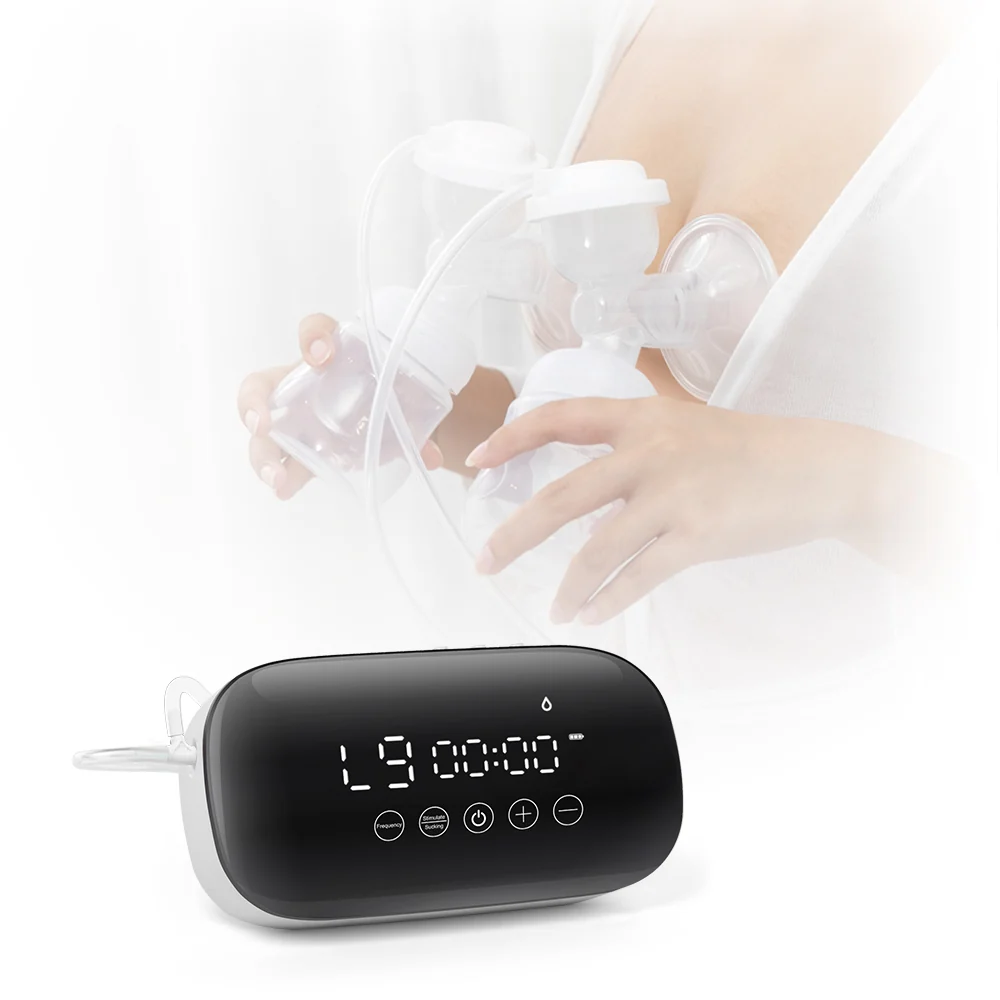
Why choose an electric breast pump? A motor takes over the repeated hand action needed with a manual pump, and a double model can express from both breasts at once. Those differences can make regular pumping easier to fit into a day. They do not mean every mother needs an electric model or that it will always collect more milk.
The useful question is what powered operation would change in your routine. Would it reduce repeated hand work, suit a limited break or offer controls you find easier to use? This guide compares the benefits with power, cleaning and cost considerations. It is general product-selection information, not medical advice or a substitute for individual feeding support.
Why choose an electric breast pump for regular expressing?
Powered operation removes the need to squeeze a handle for each pumping cycle. FDA's guide to breast pump types distinguishes hand-operated pumps from models driven by batteries or electricity. That is a concrete difference in how the equipment works, not proof that a stronger motor is better for a particular mother.
If expressing will be a frequent part of your day, repeated hand operation may be a task you would prefer a motor to do. Cambridge University Hospitals' expressing guide identifies regular expressing as a situation in which an electric pump may be useful. For occasional use, a simpler manual option may be enough.
Start your comparison of electric breast pumps with the place and frequency of use. Ask to see the actual controls and kit contents. Compare a configuration for a fixed place with one that can run on a battery. Write down which difference would actually help you before deciding.
Single or double pumping: where the time advantage comes from
A double pump can express from both breasts at the same time, whereas a single pump works on one at a time. FDA's pump-selection guidance notes that double pumping may reduce the time spent pumping. It does not establish a fixed saving for every mother, and it should not be translated into a promised milk volume.
Count the whole break, not just the active pumping stage. Setting up two collection assemblies, transferring milk and cleaning the parts also require time. Ask whether the double kit works in single mode too, and check the instructions for that setup. Do not assume every model offers the same configurations.
If your main question is whether expressing itself would help, our article on the benefits of breast pumps for mothers covers returning to work, shared care and planning time away. That decision comes before choosing how many collection assemblies to buy.
Adjustable controls are useful only when pumping is comfortable
Controls should be understandable, not just numerous. FDA's pump-use guidance recommends starting a powered pump at its lowest suction or speed setting and adjusting for comfort. The breast shield should fit without pinching or irritating tissue. Pain is not evidence that a pump is working harder or producing a better result.
Before purchase, check which fit options are available for the exact model and whether replacements can be obtained locally. Ask how to recognize correct assembly and where to get help with fit. If using the pump hurts, stop and seek advice from a qualified feeding professional rather than pushing through or chasing the highest setting.
Our electric breast pump setup guide explains general preparation and assembly checks. Use it alongside, not instead of, the instructions supplied with the selected pump. A clear manual and accessible support can matter more in daily use than a display with many unexplained modes.
Portability depends on the complete kit, not just the motor
Battery operation can be useful where a socket is inconvenient, but check the actual power arrangement before buying. Ask about the compatible charger, battery information and whether charging and pumping can happen together according to the instructions. These details vary by model; a product photograph cannot confirm runtime or charging compatibility.
Wearable breast pumps are a format to compare when in-bra collection is important to you. Wearable and electric are not opposites: a wearable pump may use an electric motor. Check how the cups sit, how milk is removed and what movement the instructions permit before deciding that it suits your day.
List everything you would need to pack: motor, collection parts, power accessories, clean spares and milk transport supplies. Then consider the bag, storage space and cleanup arrangements you will actually have. A small motor does not necessarily mean a small overall carrying load.
Compare the daily workload and full cost before buying
An electric pump still needs a cleaning routine. CDC's cleaning guidance covers washing milk-contact parts after use and drying them thoroughly before storage. Check which parts tolerate the permitted cleaning methods; adding a motor does not remove this work, and convenience claims should not encourage skipping it.
Use these five questions to compare options on the same basis. They are an editorial buying checklist, not measured performance ratings for any Wancheng Baby model. Request model-specific information where the answer is missing.
- Frequency: is this for occasional expressing or a regular part of your day, and would powered operation make a meaningful difference?
- Ease of use: can you assemble the kit and understand its controls using the supplied instructions?
- Fit and results: what fit options and individual support are available, without promises of a universal milk output?
- Practical features: does the selected single or double configuration fit your power, carrying and cleaning arrangements?
- Ownership cost: include the initial kit, compatible spare parts, any extra collection sets and the written warranty or support terms.
When a manual pump or professional support may be the better next step
Manual breast pumps remain worth considering for occasional expressing or as a power-independent backup. If you rarely express, the extra equipment in an electric kit may solve a problem you do not have. The aim is to match the routine, not to move every mother toward the most complex option.
If your baby is receiving specialist care, or feeding is painful or not going as expected, ask the care team what equipment and support fit the situation before purchasing. No product label can replace that assessment. This article does not test models or recommend a universal device for exclusive pumping.
Choosing an electric breast pump: common questions
Is a double electric pump always better than a single pump? No. Its practical advantage is expressing both breasts at once, which may suit a time-limited routine. The best fit still depends on comfort, the intended setup and whether you want or need to use both sides together.
Will a higher suction level give me more milk? A larger number is not a reliable selection rule. Start as the instructions recommend and prioritize comfort. Milk output varies between individuals; persistent concerns about output or feeding need appropriate support rather than a guarantee from a product listing.
Does an electric pump mean hands-free pumping? Not necessarily. Check whether the collection system requires hand support or a compatible pumping bra, and what the manufacturer supplies. Powered operation describes the motor, while hands-free describes how the equipment is supported during use.
Conclusion: choose powered pumping for a specific everyday benefit
Why choose an electric breast pump? Choose one when powered operation, a suitable double-pumping setup or useful controls meet a real need in your day. Compare those benefits with fit, power access, cleaning and replacement-part support. For occasional expressing, a manual option may still be the simpler choice.
For brands and distributors working with a breast pump manufacturer, these same questions can shape a more useful retail range. Request the selected kit's instructions, available fit options, power details and after-sales arrangements. Avoid turning a category-level advantage into a claim that every model will suit every mother.
Planning a breast pump OEM project? Our OEM and ODM buyer checklist helps separate the chosen model, customization scope and responsibilities before you request a quotation. Describe the routine your intended customers need to support, then confirm the actual configuration and documentation with Wancheng Baby.
Sources and references
The following official resources provide context for the market-specific points above. Buyers should confirm requirements for the final product configuration and destination market.