
Buyer Guide
Electric Breast Pump OEM Buyer Guide
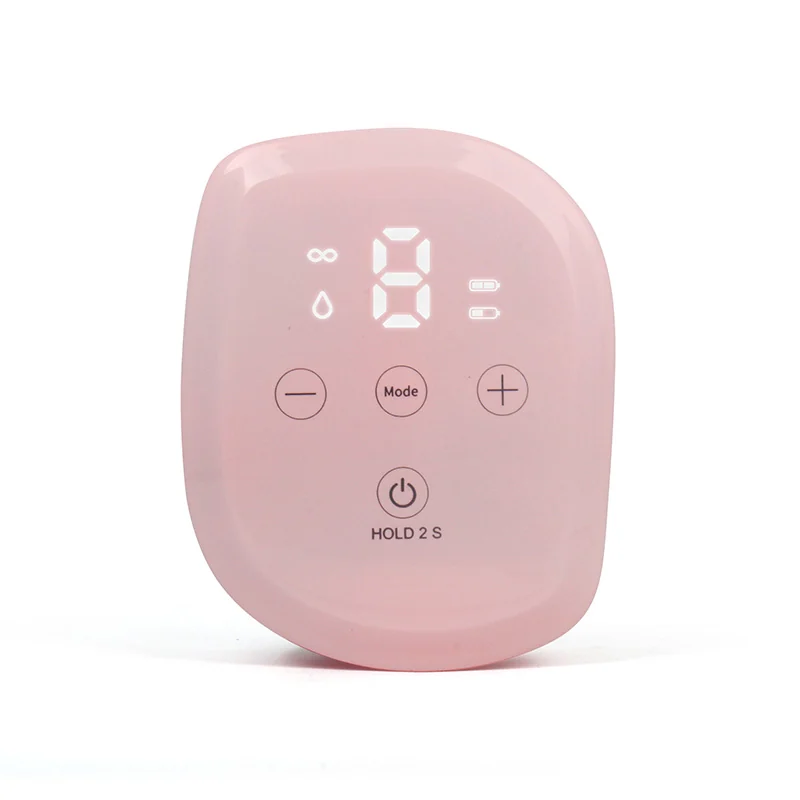
An electric breast pump OEM request works best when it begins with an exact product role rather than a broad search for an electric pump. A buyer should define the target customer, retail channel, desired product format, expected first SKU, packaging direction and the information required before a model shortlist is prepared.
Use current product pages to compare visible product form, control arrangement, published images, listed features and available documentation. The selected model, package, accessory set, target market and requested review materials should then be confirmed during quotation and sampling rather than assumed from a category statement.
Define the electric pump product role first
An integrated electric model, a double-motor product or an electric product with a different visible configuration can serve different retail positions. State whether the planned model is a launch product, an entry option, a higher-positioned SKU or part of a wider maternal-care range before asking for recommendations.
This gives the supplier a useful basis for narrowing the current catalog. It also keeps the later discussion connected to the customer profile, product presentation and price position the buyer is trying to build.
- Target market, sales channel and intended retail position
- Preferred electric product format or current model shortlist
- Expected quantity, packaging direction, manual language and requested documents
Compare models, accessories and packaging as one configuration
A useful model comparison records the exact electric pump, the visible configuration, accessories shown or requested, packaging direction, manual language and open questions. This prevents a sample image, a product page and a quotation from being treated as if they describe the same approved version when they do not.
Packaging, labels, manuals and accessory presentation should be reviewed together because each can affect the final retail product and the scope of the quotation.
Separate current evidence from quotation-stage confirmation
Product pages can support the first evaluation, but final materials, electrical data, available options, documentation, MOQ, lead time and destination-market scope must be confirmed for the approved version. This is especially important when a buyer is comparing multiple model or package directions.
A written comparison record can move from initial product evaluation to sample review and final quotation approval. It becomes a practical reference for reorders and later product-line expansion.