
Breastfeeding & Daily Life
Benefits of Breast Pumps for Mothers: More Flexibility, Less Guesswork
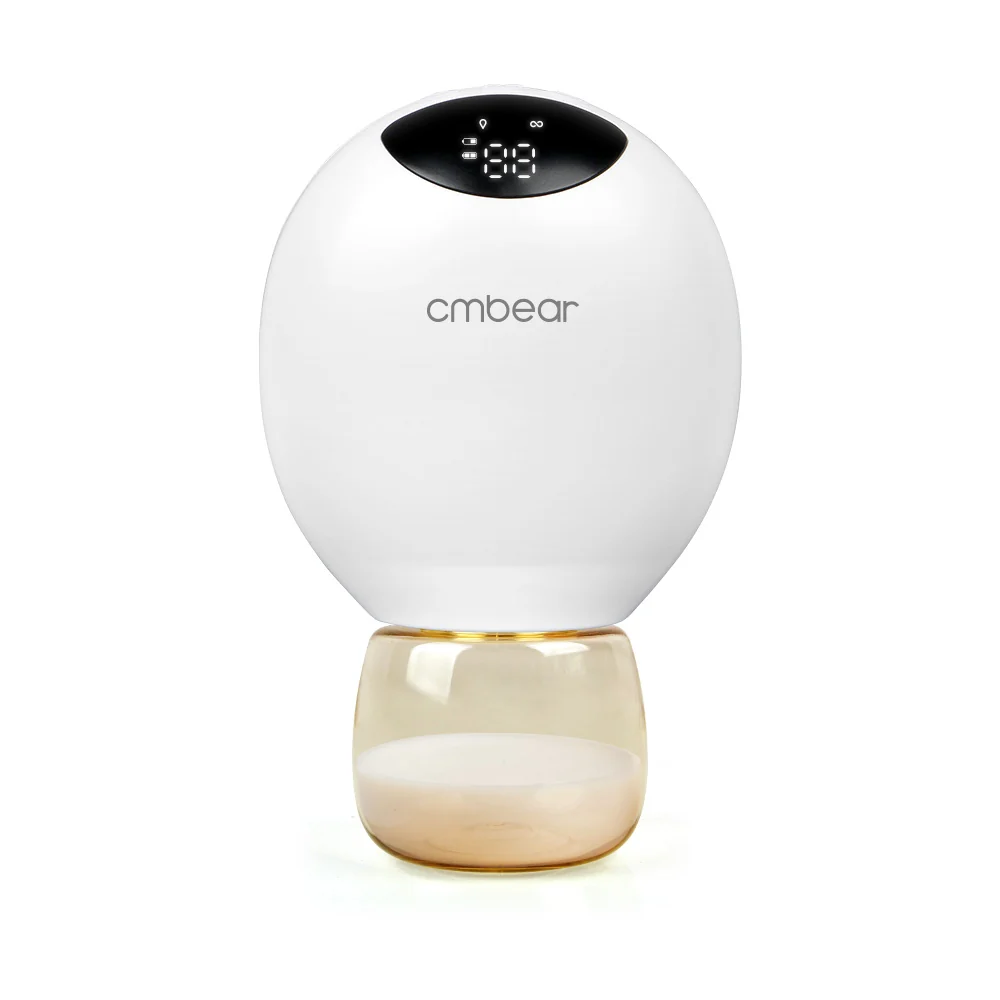
The main benefits of breast pumps for mothers are flexibility and choice: expressing breast milk makes it possible to provide it when mother and baby are apart. A pump can also support a feeding plan when direct breastfeeding is difficult. Its value depends on the situation, not on owning the most expensive model or filling a freezer.
A breast pump removes milk into a collection container for later use. It does not replace feeding support, and not every breastfeeding mother needs one. This article explains where pumping can help, what extra work it brings and how to choose a manageable routine. It is general information, not medical advice; seek individual support for pain, feeding difficulties or concerns about your baby's intake.
What are the practical benefits of breast pumps for mothers?
A pump gives expressed milk a place in a family's feeding plan. The NHS guidance on expressing breast milk describes reasons such as time away, a baby receiving special care or difficulty feeding at the breast. These are situations in which expressing may help, rather than a list of health improvements caused by buying a pump.
Start with the problem you want to solve. Is it an occasional appointment, a return to paid work or a care plan agreed with your maternity team? Write that reason down before shopping. The equipment and support needed for a short absence may be quite different from those needed for frequent expressing.
Keeping a feeding routine when you return to work
Expressing can make it possible to continue providing breast milk during the working day. CDC's return-to-work guidance recommends discussing a private space, milk storage, cleaning facilities and breaks with your employer before you return. Check the arrangements at your own workplace rather than assuming a portable pump removes the need for them.
An ordinary workday is a useful planning exercise. Think through the journey in, where the kit will stay, how you will use your break and how milk will travel home. Our breast milk pumping guide covers the practical setup questions. Include preparation and cleanup in your plan, not just the minutes when the motor is running.
If you plan to express regularly, electric breast pumps are worth comparing for their powered operation. First check where you will actually use one and what you can carry. A model that fits your real workday is more useful than a feature list that assumes unlimited time, space or charging access.
Letting a partner or caregiver help with feeding
Expressed milk lets another caregiver take part in feeding while you are away. The Office on Women's Health pumping guidance includes partner-assisted feeds among the reasons for pumping and explains that expressing around usual feeding times can help maintain milk production when direct feeding is not possible. An individual schedule may need professional guidance.
Sharing a feed does not automatically remove the mother's workload: she still has to express. Make the help broader. A partner can take responsibility for preparing the clean kit, checking that labelled milk is ready, washing compatible parts and putting them away when dry. Agreeing who does those jobs is a practical way to share the work.
Our baby bottle buying guide can help families compare feeding-container and cleaning needs. Check the instructions for the bottle, teat and storage container you actually use; matching brands or similar-looking connectors do not establish compatibility. Show the caregiver the agreed feeding and storage plan before the first absence.
Supporting a plan when direct breastfeeding is difficult
When mother and baby cannot feed together, expressing can be one part of a supported feeding plan. Ask the maternity, neonatal or lactation team which method is appropriate, how to fit it around care and how to handle the milk. A general product article cannot choose a clinical pumping schedule or assess a baby's feeding.
Bring specific questions to that conversation: what is the goal of expressing, how will progress be reviewed, and whom should you contact if it hurts or the plan feels unmanageable? This is more useful than comparing a single session with someone else's photograph. Neither a larger collection cup nor a higher suction setting establishes that a pump is right for you.
Choosing a pump format that fits the amount of expressing
For occasional use, manual breast pumps offer a way to express without charging or an electrical outlet. You operate them by hand, so consider whether that suits the frequency you expect. Hand expression is another option worth learning with appropriate guidance; buying a motorized device is not a requirement for everyone.
Wearable breast pumps place the collection system in a wearable format. Compare fit, assembly, milk transfer and cleaning as carefully as portability. Check the model's instructions for positioning and movement; a wearable format should not be treated as permission to ignore comfort or use it during unsafe activities.
If you are weighing repeated hand operation against a motor, read why choose an electric breast pump next. That article focuses on single versus double pumping, controls, power and the whole daily workload, rather than assuming one format is best for every mother.
Making flexibility practical: a short preparation checklist
Cleaning and storage belong in the plan from the start. CDC's breast pump hygiene guidance recommends cleaning milk-contact parts after each use and allowing them to air-dry thoroughly before storage. Follow the manufacturer's compatible cleaning methods and your care team's additional instructions when your baby has particular health needs.
Try this planning checklist before relying on the pump away from home. It is an organizational aid, not a prescribed feeding schedule. If one item is missing, resolve it before buying more accessories.
- Purpose: identify the absence or feeding situation the pump will support.
- Equipment: check the supplied instructions, fit options and complete kit contents.
- Location: confirm a suitable space and any power source you will need.
- Milk handoff: agree labelled storage, transport and the caregiver's handling instructions.
- Shared tasks: name who cleans, dries, packs and checks the kit.
- Support: keep the manufacturer's contact and your feeding-support contact available.
Breast pump benefits: common questions
Does every breastfeeding mother need a breast pump? No. The decision depends on time apart, feeding preferences and any individual care needs. If direct breastfeeding works for your situation and you do not need to express, purchasing a pump is not an obligation.
Will a breast pump automatically increase milk supply? No particular pump can promise a milk volume. Pumping may be part of a plan to support milk production, but ongoing supply concerns need an individual assessment rather than simply buying a stronger motor or adding sessions without guidance.
Can pumping give mothers more rest? It can allow someone else to feed the baby, but expressing and cleaning still take time. Whether it creates a useful break depends on the feeding plan and how the household shares the work; extra sleep is not a guaranteed result.
Conclusion: choose support and equipment around real life
The benefits of breast pumps are most useful when they solve a real need: providing milk during an absence, involving another caregiver or supporting an agreed feeding plan. Start with that need, include cleaning and comfort, and ask for help if the routine is painful or difficult to sustain.
For brands and distributors, these everyday needs also belong in discussions with a breast pump manufacturer. Ask about clear instructions, model-specific fit options, replacement parts and practical after-sales support, rather than making universal promises to mothers. Wancheng Baby's product categories provide a starting point for comparing configurations.
Planning a private-label breast pump range? Use our launch guide to turn these user needs into questions about the selected model and supplied kit. Product photographs illustrate formats; they are not evidence that a particular pump will deliver a health outcome.
Sources and references
The following official resources provide context for the market-specific points above. Buyers should confirm requirements for the final product configuration and destination market.