
Industry Update
FDA QMSR in 2026: What Breast Pump OEM Buyers Should Check
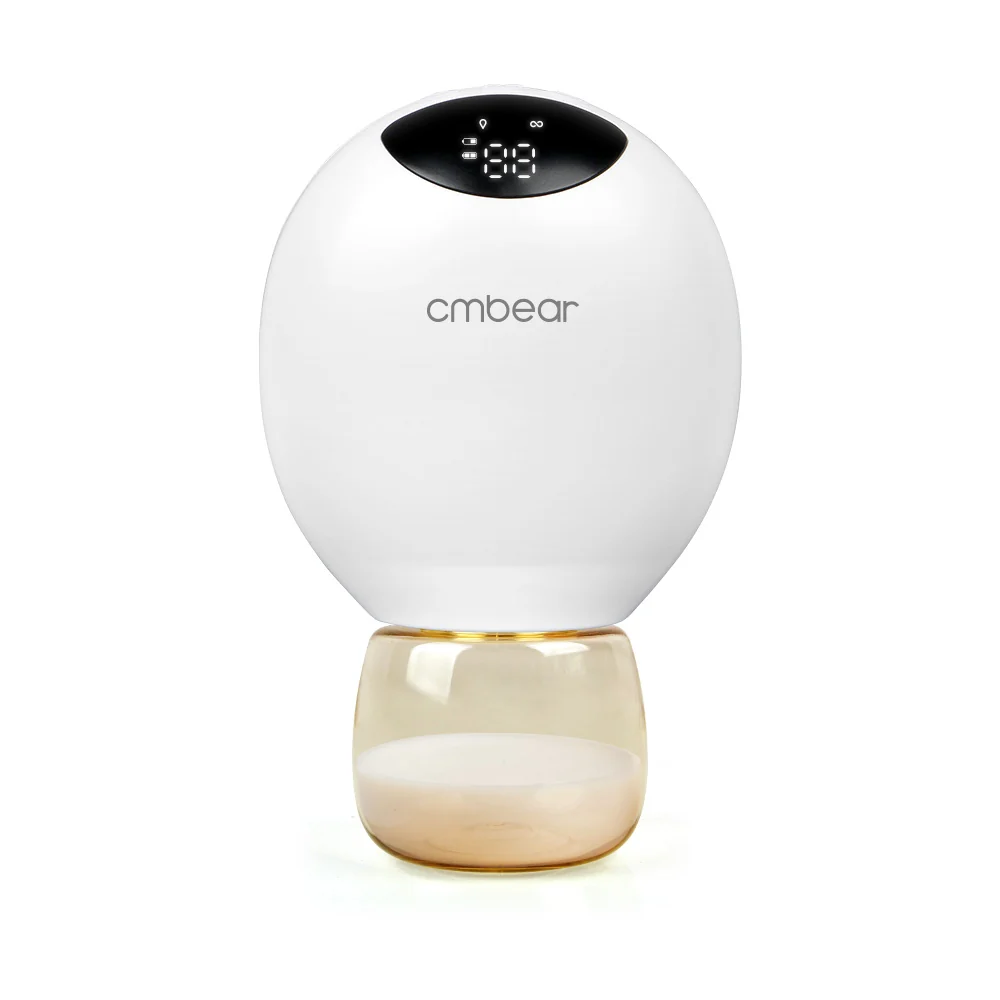
The FDA's Quality Management System Regulation (QMSR) took effect on February 2, 2026. For breast pump OEM buyers planning a U.S. product line, the useful response is to review how the proposed model, supporting records and responsibilities fit together. A certificate in a presentation cannot answer every question about the version you intend to sell.
When comparing a breast pump manufacturer, ask who controls the product specification, who reviews a requested change and who handles a complaint after delivery. This article separates the regulatory update from suggested purchasing checks. It is not legal advice, a complete compliance checklist or a statement that any pictured Wancheng Baby model has a particular U.S. authorization.
What changed under FDA QMSR in 2026?
The FDA QMSR overview explains that the revised 21 CFR Part 820 incorporates ISO 13485:2016 by reference into the U.S. medical-device quality-system framework. FDA also replaced its previous Quality System Inspection Technique with an updated inspection process on the effective date. These are quality-system and inspection changes, not a new product certificate that a buyer can obtain from a supplier's brochure.
FDA's breast pump information identifies breast pumps as regulated medical devices. The relevant obligations still need to be determined for the exact device and each company's role. Do not copy the regulatory assumptions for a powered pump into a manual-pump or accessory project without review. The purchasing suggestions below do not establish classification, exemption status or permission to market a product.
What should a breast pump OEM buyer ask the manufacturer?
Start with the proposed production site and product identity. Ask the supplier to connect the quotation, model code and configuration to the records your quality and regulatory reviewers need. If a certificate is supplied, check its named organization, site, scope and validity. A document for a related business or a different product family needs an explanation, not an assumption.
The FDA QMSR FAQ makes two useful distinctions: an ISO 13485 certificate does not remove FDA inspection authority, and FDA may examine quality-system records created before the transition. It also explains that management-review and quality or supplier-audit reports are within its inspection authority. That does not give a commercial buyer unrestricted access to confidential records; agree suitable evidence and review arrangements with the supplier.
Use the market-specific documentation checklist to organize the initial request, then identify gaps for the actual model. Ask for an owner and expected response for each missing item. A clear explanation that a document does not cover the proposed configuration is more useful than a large, unlabelled attachment folder.
- Identity: legal manufacturer, production site, model and configuration revision.
- Evidence: document title, revision, scope and the model or process it supports.
- Responsibility: named contacts for commercial, quality and regulatory questions.
- Open items: what is missing, who will resolve it and what decision depends on it.
Match the review to wearable, electric and manual product lines
For wearable breast pumps, keep the cup, motor unit, seals, valves and supplied instructions tied to one agreed configuration. If your retail plan includes multiple kits, identify the contents of each kit separately. Similar photographs are not evidence that parts or supporting documents are interchangeable.
For electric breast pumps, record the power arrangement and accessories proposed for the destination market. Ask which document revision covers that combination. Avoid building a retail listing from the specifications of one version and the packaging photographs of another.
For manual breast pumps, make the same identity check for the handle assembly, collection components and instructions. A product without an electric motor still needs a model-specific review. These are suggested procurement checks, not a conclusion that all three categories share the same regulatory requirements.
Agree change control before private-label customization
A private-label breast pump program can involve more than printing a logo. List the requested changes to the product, supplied kit, language, packaging and sales claims. Agree who evaluates each change, what evidence may need updating and who can authorize the final version. Do this before artwork or production commitments make an unresolved question expensive to revisit.
Consider a hypothetical project in which a buyer adds a different collection cup and revises the cleaning instructions. The practical question is whether the existing evidence and instructions still describe the proposed kit. Ask the responsible reviewers to assess the change; do not treat it as approved because the outer carton or motor looks unchanged. This is an illustrative scenario, not a reported Wancheng Baby product issue.
Use the breast pump sample evaluation checklist to record the version reviewed. Keep hardware, artwork and document approvals distinct, with a final release decision that names the configuration. If anything changes later, ask which decisions must be reopened. Commercial sample acceptance is not a substitute for the applicable regulatory review.
Plan traceability and after-sales responsibilities before shipment
Agree how a future service request can be connected to the product supplied. Useful purchasing questions include where the model and batch identifiers appear, which order record connects to them and how replacement parts are identified. Ask how your distributor or support team will distinguish similar-looking versions when a customer requests a part.
Write down the handoff for complaints: who receives the report, who evaluates it, who communicates with the customer and who considers any applicable reporting obligations. Set commercial response expectations in the agreement rather than inventing a universal deadline. Warranty coverage, exclusions and replacement arrangements also need written confirmation for the selected project.
A support record should capture the product identity, issue and relevant evidence without casually circulating customer health information. Use an agreed secure channel and limit access to the people handling the case. A chat message saying replacement approved is not, by itself, a complete record of the issue or its resolution.
Turn the supplier discussion into a purchasing decision
Keep a short decision sheet beside the quotation. This suggested buyer tool is not a prescribed FDA form. Commercial and technical colleagues should be able to see which questions are settled and which still affect the order. Leave unresolved items visible, with an owner and a next action.
- Market and role: intended destination, sales channel and parties responsible for review.
- Proposed version: model, kit contents, specification and artwork revisions.
- Document match: evidence reviewed and any limits on what it covers.
- Change decisions: requested customization, reviewer and approval status.
- After-sales handoff: traceability information, complaint contact and agreed warranty terms.
- Next action: proceed within the approved scope, request clarification or hold the affected decision.
FDA QMSR and breast pump sourcing FAQ
Does an ISO 13485 certificate mean a breast pump is FDA approved? No. A quality-system certificate does not establish the regulatory status of the specific product. Have the responsible reviewer verify the applicable U.S. requirements and product evidence separately; do not describe a product as FDA approved on the strength of that certificate.
Should we discard supplier records dated before February 2, 2026? Not simply because of their date. FDA says investigators may review earlier quality-system records. Ask the supplier how existing records relate to the current system and configuration, and investigate any gaps rather than assuming every older document is obsolete.
Can we use the same launch checklist for every export market? Use a shared purchasing structure, but keep destination-specific evidence and responsibilities separate. The QMSR update concerns the U.S. framework. It does not establish compliance in other markets, and this article does not replace a qualified review of the final product and supply arrangement.
Next step: define the model, market and open questions
The practical lesson for a breast pump OEM project is to make the proposed product and the supporting decisions traceable. Start a sourcing inquiry with Wancheng Baby by sending the shortlisted model, destination market, planned customization and questions your team needs answered. The discussion can then focus on the relevant configuration and available documentation, with unconfirmed specifications and commercial terms kept open until agreed.
Sources and references
The following official resources provide context for the market-specific points above. Buyers should confirm requirements for the final product configuration and destination market.